


Guide To BPC-157, TB-500, CJC-1295: Evidence & Safety
BPC-157, TB-500, and CJC-1295 sit in three different pharmacology buckets: two are pitched as tissue-repair signal nudges (BPC-157 and TB-500, tied to cytoprotection, angiogenesis, and cell migration), and one is straight endocrine manipulation (CJC-1295, a long-acting GHRH analog that raises growth hormone and IGF-1). The uncomfortable part is the same across all three: the mechanisms are biologically plausible and mostly preclinical, while human outcomes, dosing clarity, and long-term safety are still foggy enough that anyone "running them for longevity" is basically volunteering to be a trial with a shaky protocol.
That's the vibe of this guide. Pharmacology & Mechanisms:
-
BPC-157: A gastric peptide promoting cytoprotection, angiogenesis, and cell migration.
-
TB-500: A thymosin fragment facilitating actin dynamics and soft tissue repair.
-
CJC-1295: A synthetic GHRH analog increasing GH and IGF-1 levels.
Evidence second, safety third.

What should you believe about these peptides today?
What they are and why longevity circles use them
People end up here for predictable reasons. They have tendon pain that will not quit, a gut that feels like it's negotiating with them daily, sleep that's getting worse with age, training recovery that used to be easy, and a suspicion that modern medicine is great at emergencies but kind of shruggy about "feeling 15 percent better."
So the longevity crowd looks at:
-
a gastric-derived pentadecapeptide (BPC-157) that shows wide "cytoprotective" effects in animals and cell models
-
a thymosin beta 4–related fragment (TB-500) that plays with actin dynamics and cell migration
-
a growth hormone axis lever (CJC-1295) that measurably raises GH and IGF-1 in humans
That last one matters because it's the rare case in this world where the human pharmacodynamic signal is not imaginary.
The core gap between animal signals and human outcomes
Rodent trials and in vitro work can tell you if a compound touches VEGF signaling, shifts cytokines, changes fibroblast migration, or tweaks nitric oxide pathways. It cannot tell you if you, a specific human with specific training load, sleep debt, and maybe borderline insulin resistance, will heal faster, live longer, or feel better in a way that beats placebo and normal rehab timing.
This is how emergent folk pharmacology gets built: a mechanism gets translated into a promise, then the market (and forum posts) turn that promise into certainty.
A plain-language map of what this review can prove
Here's what I'm comfortable stating without doing the usual wellness-business tap dance:
-
We can describe plausible mechanisms and the signaling pathways these compounds interact with.
-
We can separate "human data exists" from "animal data only."
-
We cannot honestly claim a proven longevity program outcome for any of them, because human trials are thin, endpoints are mismatched, and sourcing is a mess.
Compare the pharmacology across repair, inflammation, metabolism
Direct tissue signaling vs endocrine signaling
BPC-157 and TB-500 are discussed like "local repair tools," but their claims often rely on systemic stories: vascular effects, inflammatory modulation, gut-barrier ideas, even neurobehavioral angles. Meanwhile CJC-1295 is not pretending. It's endocrine. You pull the GHRH receptor lever in the anterior pituitary, cAMP goes up, GH pulses rise, IGF-1 follows.
If you're already using glp 1 medications for metabolic optimization, this is the kind of contrast to keep in your head: GLP-1 drugs have large human trials tied to weight and cardiometabolic endpoints; these compounds mostly do not.
Exposure and half-life concepts that change effects
Half-life isn't trivia. It changes what biology even gets a chance to happen.
CJC-1295 is famous because the DAC (Drug Affinity Complex) version binds albumin and sticks around for days, which is the whole point and also the whole risk. The "no-DAC" versions behave more like short-acting secretagogues, closer in spirit to how people stack with ipamorelin or other ghrelin mimetics, chasing pulses rather than a long plateau.
With BPC-157 and TB-500, half-life and distribution are part of the practical unknowns. People talk dosing like it's a solved problem. It isn't.
Why "pleiotropic" claims raise uncertainty, not certainty
When a compound is described as pleiotropic, multi-target, and systemically protective, that can mean it's doing something interesting. It can also mean we don't know what it's really doing in humans, across tissues, across time, across disease risk.
Pleiotropy is not a halo. It's a warning label written in academic font.
Here's a tight comparison so the entities stay clean:
|
Compound |
Primary class |
Main targets (high-level) |
Typical longevity motivation |
Human evidence level |
|---|---|---|---|---|
|
BPC-157 (bpc 157) |
gastric pentadecapeptide |
VEGF-related angiogenesis, NO system, fibroblast signaling |
tendon, gut, "systemic repair" |
mostly preclinical; human outcomes not established |
|
TB-500 (tb 500) |
thymosin beta 4–related fragment |
actin dynamics, cell migration, inflammatory modulation |
"whole-body recovery," soft tissue |
human data is limited; stronger for TB4 topical contexts |
|
CJC-1295 (cjc 1295) |
long-acting GHRH analog |
pituitary GHRH receptor, cAMP signaling |
sleep, body composition, "anti-aging" |
human trials show GH/IGF-1 elevation |
Break down BPC-157 pathways and target tissues
Cytoprotection, nitric oxide signaling, and vascular effects
If you want the cleanest mechanistic thread, it's vascular and connective tissue signaling.
A 2025 narrative review describing BPC-157's overlap with angiogenic pathways leans hard on VEGFR2 and nitric oxide synthesis via the Akt-eNOS axis, which is a fancy way of saying "this might help blood vessel formation and local tissue remodeling" in poorly vascularized structures like tendons (PubMed review). Another frequently cited tendon-specific detail is that BPC-157 can push fibroblast migration through focal adhesion kinase and paxillin phosphorylation, the kind of intracellular "move and attach" machinery tendons live and die by (FAK-paxillin study).
Mechanism? Plausible.
Clinically proven tendon healing in humans? Not remotely settled.
Inflammation, pain, and gut-barrier hypotheses
The gut angle is where the internet gets religious, fast. Some of that comes from older "stomach protective" framing and some comes from nervous system effects. There's even brain-gut axis work exploring neurotransmitter modulation, including serotonin and dopamine changes in preclinical contexts, plus neuroprotective signaling that could, in theory, change pain perception and behavior.
I'm not allergic to that. I'm allergic to the leap from "neurotransmitter modulation was observed in a controlled model" to "this fixes your anxiety and IBS in three weeks."
Practical pharmacology unknowns: distribution, dosing, kinetics
Here's the part that makes me side-eye the hype: the real-world pharmacology is not mapped the way people pretend it is. Tissue distribution, active metabolites, dose-response curves for different purposes, and kinetics in humans are not packaged into a neat clinical label because there is no label.
Even BPC-157's proposed interaction with growth hormone receptor expression in tendon fibroblasts, which is fascinating on paper, is still a mechanistic clue, not a clinical protocol.
So when someone tells you "X mcg is the standard," what they usually mean is "the market converged on a meme."
Break down TB-500 and thymosin beta-4 biology
Actin binding, cell migration, and wound-repair signaling
TB-500 is basically sold as "thymosin beta 4, but injectable and convenient," and yes, that's sloppy, but the actin story is real. Thymosin Beta-4 binds G-actin, affects cytoskeletal dynamics, and helps cells move, which matters in wound healing. There's foundational data showing TB4 accelerating full-thickness wound healing through re-epithelialization and keratinocyte migration (NIH/PubMed study).
Notice what that study context screams, though: wound healing biology, often topical or localized models, not "systemic youth serum."
Angiogenesis and fibrosis tradeoffs to watch
Angiogenesis is cool until it isn't. Anti-inflammatory signaling is great until you blunt necessary immune function or shift tissue remodeling in weird directions. Thymosin beta 4 biology also intersects with fibrosis pathways and cytokine regulation, which is why the more careful reviews spend time on ischemia-reperfusion injury, organ fibrosis, and inflammatory cascades, not just "recovery" marketing (mechanism-heavy review).
The tradeoff framing matters because tissue repair is not always purely beneficial. Scar, fibrosis, abnormal remodeling, and pain sensitization all live in the same neighborhood.
Key unknowns: systemic exposure and tissue selectivity
People talk about TB-500 like it knows where your shoulder is. Biology does not work that way. If systemic exposure is real, then the question becomes which tissues are actually affected at meaningful concentrations, for how long, and with what downstream risks.
Even when human trials exist, they're often not in the "inject and recover from deadlifts" lane. For example, thymosin beta 4 has been studied topically in venous stasis ulcers in randomized controlled formats (ClinicalTrials.gov record). That's legitimate clinical structure, but it's not a green light for off-label injection habits.
Explain CJC-1295 and growth hormone signaling
GHRH receptor activation, pulsatility, GH and IGF-1
CJC-1295 binds GHRH receptors on pituitary somatotrophs, drives intracellular cAMP signaling, and increases GH release, which then pushes hepatic IGF-1 production. Unlike the repair-signal compounds, CJC-1295 has clean human pharmacology: subcutaneous administration produces sustained, dose-dependent GH and IGF-1 increases in healthy adults.
A second human study angle that gets overlooked in bro-science recaps is pulsatility. GH is supposed to pulse. Some clinical data suggests CJC-1295 can elevate mean and trough GH while preserving natural pulsatile secretion patterns, which is at least conceptually more physiologic than a flatline elevation.
DAC vs no-DAC versions and half-life implications
DAC versions are designed to extend half-life by binding albumin. Translation: fewer injections, more sustained endocrine pressure. No-DAC versions act shorter, which is why the market often pairs them with ipamorelin or other ghrelin mimetics to chase nighttime pulses and sleep claims.
Longer half-life can sound "better." Endocrinology is petty, though. Sustained signaling can change feedback loops, receptor sensitivity, and downstream metabolic effects.
Metabolic effects, sleep claims, and endocrine feedback risks
GH and IGF-1 touch lipolysis, glucose regulation, fluid balance, and tissue growth signaling. That's why sleep and body composition claims show up. It's also why endocrine feedback risks are real: edema, carpal tunnel-like symptoms, insulin resistance drift, blood pressure changes, and the bigger, darker concern, which is growth signaling in people with cancer risk factors.
Also worth saying plainly: CJC-1295 is on anti-doping radars for a reason, and detection work exists because illicit manufacturing exists.
Judge the clinical evidence and its limitations
Human data snapshot: what exists, what does not
CJC-1295 has human trials demonstrating GH and IGF-1 elevation. That is not the same as proven longevity outcomes, but it is at least human physiology measured cleanly.
BPC-157 and TB-500 live mostly in preclinical space, scattered clinical anecdotes, and a clinic-driven market that is way ahead of the published evidence base. When you see confident dosing schedules, remember: confidence is not a data type.
Preclinical signals most often misread as "proof"
Angiogenesis markers. Cytokine shifts. Fibroblast migration. "Improved healing" in rodent injury models. These are signals, not outcomes. Humans care about time-to-return-to-sport, re-injury rates, imaging-confirmed tendon integrity, GI symptom scores with blinded designs, adverse event rates, and long-term monitoring.
That's why I'm cranky about the "Wolverine effect" stacking mythology. Combining three compounds with three different mechanisms does not magically turn uncertainty into certainty. It often compounds it.
Bias sources: anecdotes, stacking, rehab timing, placebo
If you've ever rehabbed an injury, you know the boring truth: the body heals on its own timeline, and the moment you finally respect load management, sleep, and a real progression plan, you start improving. Then you credit the vial.
I'm not saying anecdotes are worthless. I'm saying they're structurally biased. If you want to see how "Reddit-style" certainty gets built around BPC-157, you can watch the story loops in writeups like this one on BPC-157 anecdotes and claims, where the confidence level routinely outruns the evidence.
And the marketing angle matters too. Peptides get pitched as "safer than steroids," which is sometimes just a rebrand of risk, not a reduction of it. This kind of framing shows up in comparisons like peptides versus steroids, and it's worth reading with a skeptical eye.
Use a safety and regulatory framework before any use
Contraindications and high-risk groups to avoid entirely
If someone is going to do this anyway, harm reduction information starts with who should not touch it. Off-label endocrine manipulation and unapproved compounds are a bad mix for people with complex medical histories. High-risk groups include:
-
pregnancy or breastfeeding
-
active cancer, recent cancer, or strong personal risk factors where growth signaling is a concern
-
uncontrolled diabetes, significant insulin resistance, or proliferative retinopathy concerns (especially for GH/IGF-1 manipulation)
-
uncontrolled hypertension, heart failure, or edema-prone states
-
anyone on anticoagulants, immunosuppressants, or with active infection without close physician oversight
That's not medical advice. That's basic risk triage.
Monitoring to discuss with a clinician: labs and symptoms
A clinician who is not trying to sell you product will usually focus on objective monitoring and symptoms that imply you're drifting into harm. For CJC-1295, that often means IGF-1, fasting glucose, A1c, lipids, blood pressure, and watching for edema, paresthesias, and sleep disruption. For BPC-157 and TB-500, you're mostly monitoring for injection site issues, unexpected systemic effects, and the fact that product quality is the silent variable.
A lot of "peptide therapy" conversations skip the boring part: baseline labs before, repeat labs after, and a willingness to stop when numbers move the wrong way.
FDA status, compounding limits, WADA rules, quality failures
In the United States, these are not FDA-approved therapeutics for general health purposes. That matters legally, medically, and practically. Compounding pharmacies have to navigate a shifting regulatory climate, and outside that channel you're in the land of black market peptides, mislabeled vials, impurities, and quality product fantasies.
Athletes should also remember WADA's prohibited list logic: substances can be banned because they're unapproved, performance-related, and hard to regulate safely. BPC-157 has been specifically flagged in anti-doping contexts, and the broader category pressure is not subtle.
If you're in Canada, Health Canada's posture tends to mirror the same reality: unapproved substances marketed for enhancement purposes do not magically become safe because the website is polite.
FAQ
Are BPC-157 and TB-500 "repair peptides" you can rely on?
Mechanistically interesting, clinically unproven in the way people talk about them online. Treat the strongest claims as marketing until human trials show meaningful endpoints.
Is CJC-1295 "real" because it raises IGF-1?
It's real in the sense that human studies show GH and IGF-1 elevation. Whether that translates to better aging outcomes is a different question, and endocrine feedback risks are not theoretical.
Does stacking make it safer or more effective?
Stacking usually makes attribution impossible and risk management worse. If something goes wrong, you will not know which compound did it, or whether it was the vial quality.
What about surgery recovery or injury rehabilitation?
The highest-leverage variables are still diagnosis, a competent rehab plan, load management, sleep, and nutrition. Compounds can distract people from the basics because basics are boring.
Are these legal to buy online as "research"?
The "research" label is often a wink. Legality, purity, and enforcement vary by country, but the core issue is the same: you are trusting sellers in a market built for plausible deniability.
Conclusion
If you wanted a clean takeaway, it's this: BPC-157 and TB-500 live in a mechanistic universe where angiogenesis, cytoprotection, actin dynamics, and inflammatory signaling can look like destiny, but the human proof is not keeping up with the hype. CJC-1295 is the one with clear human pharmacology, and that's exactly why it deserves more respect, more caution, and more medical supervision, not less.
Longevity is already hard. Don't make it harder by confusing a good story with a proven outcome.
Articles

TB-500 is a synthetic peptide sold in the research market and promoted for tissue repair, tendon and muscle recovery, and general healing. The biology it borrows is that of thymosin beta-4, a naturally occurring peptide found across many mammalian cell types.
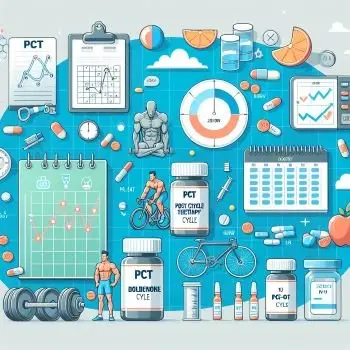
Boldenone, known more commonly as Equipoise or EQ, this anabolic androgenic steroid is a favorite among those looking to enhance their performance or achieve significant muscle growth. But, like all steroids, Equipoise comes with its own potential side effects. In fact, it can suppress your body's natural testosterone production. That's where post-cycle therapy (PCT) comes in.
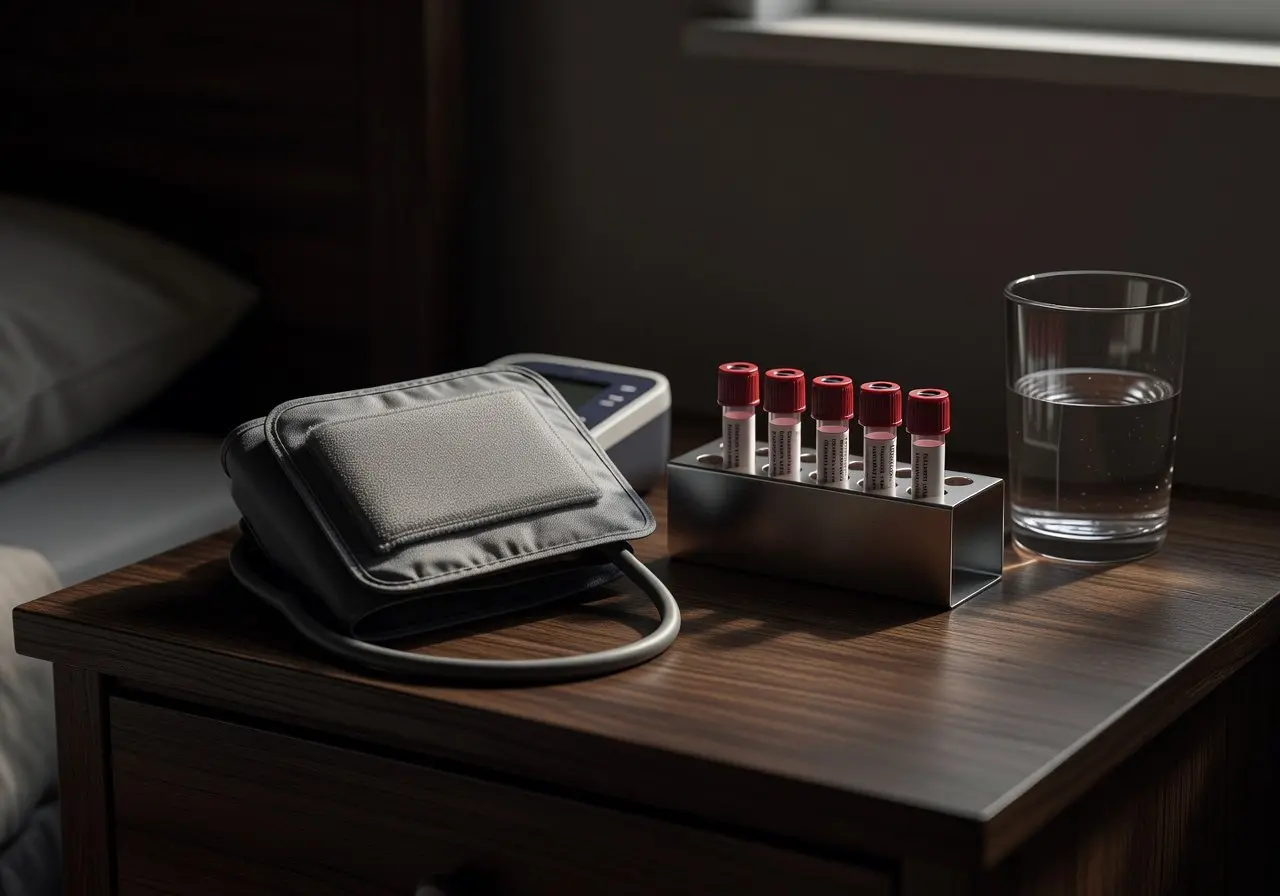
PCT stands for post-cycle therapy - the structured recovery period after an anabolic steroid cycle, aimed at restarting your own testosterone production. The labs that actually guide PCT decisions are LH, FSH, total and free testosterone, SHBG, sensitive estradiol, prolactin, a CBC, a CMP, and a lipid panel
Customers Reviews
Please leave your review on products or service below.
Thank you beforehand.
- n/a
- It\'s perfect. Easy to find what I need. Informative. Don\'t change anything.