


Post-Surgery Healing Peptides Comparison And Safety Guide
Post-Surgery healing Peptides

Key peptides compared for post-surgery healing include:BPC-157 and TB-500, which show anti-inflammatory benefits but lack strong human clinical data; GHK-Cu for skin and scar remodeling; and Growth Hormone peptides for systemic recovery. Compared to these experimental injectables, PRP offers localized growth factors, and oral collagen peptides provide better evidence-backed support for connective tissue repair with a lower risk profile.
That doesn't mean the whole category is snake oil. It means you should treat "surgical recovery enhancement" like a risk-managed project, not a vibe. In real life, you're juggling inflammation control, immune function, tissue remodeling, wound integrity, pain, sleep, bowel function, and the boring logistics of follow-up visits. If someone sells you one injection as the master key, they're marketing, not practicing medicine.
Also, quick scope check: when people say "peptides for healing," they're mixing totally different worlds. FDA-approved peptide drugs (real pharmacology, labeled indications) live in one universe. Compounded or "research" injectable peptides live in another. Dietary collagen peptides and peptide-based enteral formulas are their own lane. Topical peptides in skincare products are mostly about skin signaling and barrier support, not deep tissue repair after invasive surgery.
Compare common recovery options fast
The question behind the question is usually, "What gives me the biggest edge with the least downside?" So I'll put the messy stuff on the table: mechanisms, expected benefits, timelines, and where each option actually fits.
If you're trying to triage your choices, I'd separate them into three buckets right away:
-
Stuff your surgeon already expects you to do (wound care, mobility, physical therapy, pain control, protein intake, constipation plan).
-
Adjuncts with at least some human clinical footing (PRP in certain contexts, collagen peptides and peptide-based nutrition strategies, silicone scar therapy).
-
Adjuncts people want to work because the biology story is sexy, but the data is still mostly preclinical or patchy (BPC-157, TB-500, a lot of injectable peptide therapies).
Side-by-side table
Here's the no-drama comparison. "Evidence" is about post-surgical outcomes in humans, not whether a molecule does something interesting in cells.
|
Option |
What it's doing biologically (high level) |
Evidence strength for post-op outcomes |
Typical timeline people notice anything |
"Best fit" use cases |
Friction points |
|---|---|---|---|---|---|
|
BPC-157 (Body Protection Compound-157) |
Anti-inflammatory signaling, angiogenesis support, fibroblast activity, possible growth hormone receptor expression effects in tendon models |
Mostly animal, mechanistic, narrative reviews, limited human outcome data; see the discussion in a musculoskeletal review like this one on BPC-157's tendon and ligament signaling |
Days to a few weeks in anecdotes |
Tendon, ligament, muscle strains, sometimes gut complaints; less convincing as a universal post-op tool |
Regulatory gray zone, variable quality control, unclear dosing, unknowns in surgical patients with clotting risk or infection risk |
|
TB-500 (Thymosin beta-4 fragment used in clinics) |
Cell migration, tissue regeneration pathways, angiogenesis, "systemic" repair vibe |
Similar story: promising mechanisms, thin human post-op data; orthopaedic peptide overview work maps pathways like PI3K/Akt and mTOR in context (orthopaedic applications review) |
Often reported within 1 to 3 weeks |
Broad soft tissue recovery narratives, stubborn inflammation, training-related trauma |
Same regulatory and sourcing issues, and "systemic" can mean "systemic side effects," too |
|
GHK-Cu (copper peptide) |
Collagen signals, extracellular matrix remodeling, skin quality signaling |
Better known in dermatology-adjacent contexts; still not a slam dunk for surgical scars in injectable form, but wound biology is plausible (the larger landscape is covered in this wound healing peptide review) |
Weeks, sometimes months |
Scar quality, skin rejuvenation adjacent goals, plastic surgery recovery conversations |
Copper balance, irritation risk topically, and again, sourcing and compounding standards vary |
|
PRP (platelet-rich plasma) |
Local growth factors, chemotaxis, tissue repair signaling |
Mixed but more "medical pathway" familiar, depends heavily on indication and technique |
Days to weeks |
Certain tendon issues, orthopedic repairs, sometimes cosmetic procedures |
Operator dependent, not standardized, not guaranteed |
|
Collagen peptides (oral) |
Amino acids and peptide fragments that may support collagen synthesis and tissue remodeling |
More human nutrition research exists; there's even work quantifying wound-related signaling effects like this collagen-derived peptide analysis |
4 to 12 weeks |
Skin, connective tissue support, post-op nutrition |
Slow, subtle, only as good as the rest of your nutrition |
|
Peptide-based clinical nutrition (enteral formulas) |
Provides substrates and peptide forms that may improve wound integrity |
Actual surgical nutrition literature exists, like this classic finding that peptide-based enteral diets improved wound bursting pressure |
Days to weeks |
Major abdominal surgeries, frailty risk, poor intake |
Needs clinical oversight, not a DIY supplement stack |
|
Growth hormone / IGF-1 axis manipulation (secretagogues, IGF-1) |
Pushes protein synthesis, recovery signaling, sometimes glucose effects |
Real endocrinology territory, but not routine for post-op healing; safety is the story |
Weeks |
Selected cases under physician management |
Edema, insulin sensitivity changes, cancer history concerns, "more growth" is not always a good idea |
And yes, people combine BPC-157 + TB-500 and call it a "Wolverine blend." I get the temptation. I also get why the American Medical Association keeps reminding patients that with injectable peptides, we're often staring at a canyon between animal data and human outcomes, which they spell out pretty plainly in their physician-facing guidance.
Best use cases
If you're trying to be strategic instead of impulsive, think "problem matching," not hype matching.
PRP is the one I'm most tolerant of in the real world because it's at least a clinician-supervised, localized approach that lives closer to standard regenerative medicine pathways, which is part of why a comparative framing like this BPC-157 vs PRP overview keeps showing up in the conversation.
Collagen peptides are boring, which is exactly why they're useful. Nobody gets rich selling you "adequate protein and time," so the market screams about new treatment options instead.
GHK-Cu is mostly a scar and skin play in practice. In plastic surgery settings, that matters. After an orthopedic reconstruction, scar aesthetics matter less than tissue integrity and function.
BPC-157 and TB-500 are usually pursued by people with tendon and ligament frustration, or patients who feel behind on their recovery timeline and want a lever to pull. That emotional context is real. So is the uncertainty.
Typical timelines
This is where people get tricked. Surgical healing is staged. Inflammation is early, tissue repair follows, remodeling drags on for months. You can feel better long before tissues are actually strong.
A simple way to keep your expectations sane:
-
The first 3 to 10 days are mostly about swelling, pain, wound management, infection prevention, sleep, and not doing anything heroic.
-
Weeks 2 to 6 are where mobility plans, physical therapy, and nutrition start paying rent.
-
Weeks 6 to 12 are where scar behavior and tissue remodeling become more obvious, and where "I feel fine" can still be ahead of "I am structurally ready."
If you read marketing claims like "accelerate healing up to 40%," like the kind of framing you see in posts such as this post-surgical recovery guide, just notice what's missing: consistent definitions of healing, surgery type, patient selection, complication rates, and how outcomes were measured.
How do these options work biologically?
You don't need to be a molecular biologist to think clearly here. You just need to track the main levers: inflammation, collagen signaling, angiogenesis, and the hormonal environment that governs protein synthesis.
Inflammation control
Post-op inflammation is not your enemy. It's a phase of the healing process. The goal is to keep it proportionate and not let it spiral into uncontrolled swelling, chronic pain signaling, or delayed wound healing.
BPC-157 gets marketed as anti-inflammatory, and mechanistically, you can point to signaling effects and vascular support discussed in the literature. That doesn't automatically mean "better surgical outcomes." Inflammation is also part of immune function, and immune suppression vibes are not what you want if you're worried about infection.
Pain control matters here, too. It's not just comfort. Pain changes breathing, sleep, movement, and stress hormones. There's interesting work on molecules that target both analgesia and regeneration, like this exploration of dual-action peptides for post-surgical pain and repair. It's a reminder that "feel better" and "heal better" can overlap, but they are not identical.
Collagen signals
Collagen production is not a switch. It's a construction site. You need materials (amino acids, vitamin C sufficiency, adequate calories), and you need the right mechanical environment so tissues lay down fibers in useful orientations.
This is where oral collagen peptides can make sense as a low-risk adjunct, especially when combined with enough protein overall. If someone is under-eating after surgery because nausea, constipation, or appetite loss kicks in, the "best peptide" is probably just the one that gets them to consume adequate nutrition without feeling sick.
GHK-Cu is often talked about in scar conversations because copper is involved in enzymatic steps relevant to tissue remodeling. In skincare, topical peptides are mostly about signaling and surface-level changes. After surgery, scar quality is influenced by surgical technique, tension lines, infection avoidance, and genetics more than any single topical.
Angiogenesis support
Angiogenesis is new blood vessel formation, and it's a big deal. Wounds need oxygen and nutrient delivery. The BPC-157 narrative leans hard on angiogenesis support, and that's part of why its sports medicine popularity refuses to die.
Still, the translation problem is real. A mechanistic effect in a tendon fibroblast model, even a cool one like this report on growth hormone receptor expression changes with BPC-157 in tendon cells, is not the same as proving fewer complications, faster return to function, or better surgical outcomes in diverse surgical patients.
What results are realistic after surgery?
The most honest promise any clinician can make is "reduce risk, support the process." Not "hack your biology."
Pain and swelling
Expectations that are realistic: slightly easier mobility, less perceived soreness, maybe fewer pain spikes. Expectations that are not: skipping the uncomfortable phase entirely.
If you're considering any peptide intervention for pain and swelling, I'd ask whether you've already optimized the standard stuff: compression when appropriate, elevation, icing instructions if applicable, anti-inflammatory meds only when your surgeon says yes, and sleep. The basics are humiliatingly powerful.
Wound closure
Wound closure is where I get conservative fast. I'm with the cautious camp that sees "speed up healing" claims and immediately thinks about the social danger of treating a real incision like it's a DIY biohack project. That skepticism is basically the subtext of posts like this one on mechanisms marketed around surgical recovery peptides, even when the tone is optimistic.
In practical terms, wound closure is influenced by perfusion, infection, diabetes control, smoking status, tension on the wound, and surgical technique. If those are messy, no injection is your savior.
Scar quality
Scar quality is the one area where adjuncts feel most emotionally rewarding because you can see the outcome. Scar massage, silicone gel or sheets, sun protection, and time tend to dominate.
If you're doing plastic surgery, scar goals get elevated, and so do the stakes around swelling and tissue remodeling. If you're doing orthopaedics, scars matter, but function and tissue integrity matter more.
Match the option to your surgery type
Orthopedic repairs
Orthopedic repairs are where the "therapeutic peptides" conversation is loudest, mostly because tendons and ligaments heal slowly, and physical therapy is a grind.
If you want a clinician-grade reality check, orthopaedic providers have been trying to build counseling frameworks that don't overpromise, like this JAAOS Global piece on therapeutic peptides in orthopaedics. The tone is basically, "Interesting mechanisms, incomplete clinical trials, proceed carefully."
My own bias leans against making BPC 157 therapy a core recovery protocol after a major reconstruction. Too many unknowns, too much quality variance, too many incentives to oversell. A popular consumer write-up like this BPC-157 after surgery explainer shows exactly how easily the narrative becomes "sounds routine," even when it isn't.
Abdominal surgeries
Abdominal surgeries are where nutrition, bowel management, and pulmonary hygiene matter more than internet trends. People underestimate how much internal recovery is affected by pain-limited breathing and shallow movement. Atelectasis and constipation are not "side notes." They can derail the whole recovery journey.
This is also where peptide-based clinical nutrition has a stronger argument than underground injectables. If intake is poor, a clinician-supervised nutrition plan can do more for wound integrity than almost anything else.
Cosmetic procedures
Cosmetic procedures are the hotspot for stacking, because swelling, bruising, scar appearance, and the urge to look "done" fast creates a perfect storm.
PRP sometimes gets used adjunctively. Topical peptides show up in skincare. NAD therapy gets floated in some clinics as "energy" support, though it's not a standard surgical care tool and it's not a substitute for sleep and calories.
If you're doing tummy tucks, liposuction, or combined procedures, you're already stressing lymphatics and soft tissues. Adding unvetted injectable peptide therapies to that mix is where I start asking, "What problem are we solving, and what new problems are we inviting?"
Decide when to start and what to combine
Pre-op vs post-op
Pre-op is usually about risk reduction: stop smoking, manage anemia, manage diabetes, address protein intake, and plan your home setup. Post-op is about protecting the repair and staying consistent.
If a clinic suggests starting a compound pre-op to "prime the system," I'd want to see a very sober rationale, and I'd want my surgeon aware. Surprises are not cute in operative care.
Standard-care pairing
The safest "stack" is the one nobody brags about:
-
Adequate protein and calories (especially if appetite drops)
-
A physical therapy plan that matches the surgical technique and tissues involved
-
Wound care, scar care, and infection vigilance
-
Sleep, constipation prevention, and smart pain control
Peptides, PRP, supplements, all of it should sit around that, not replace it.
Stacking risks
Stacking is where people get reckless. Multiple pathways can mean multiple side effects, and you don't get a clean read on what caused what.
I've watched people throw in BPC-157, TB-500, growth hormone peptides, collagen, and random antiaging stuff, then declare victory when time does what time does. That's not evidence. It's anecdotal attribution with expensive receipts.
Weigh evidence, safety, and legal status
Human evidence tiers
Here's the cleanest way I know to understand the animal-versus-human gap without turning this into a textbook.
Animal and cell studies are great for answering, "Could this molecule plausibly affect tissue repair effects?" They are terrible at answering, "Will this improve surgical outcomes for actual surgical patients, across real complications, real comorbidities, and real adherence issues?"
Human data that changes practice usually has: defined endpoints, adequate sample size, reproducible protocols, and safety tracking. A lot of post-op peptide hype does not.
If you want to go deeper on what it takes for translation to happen, this MDPI discussion of validation challenges in regenerative medicine is basically a checklist of why "promising" stays "promising" for years.
Contraindications
This is not personal medical advice, but the common red-flag categories are predictable: active cancer or recent cancer history (growth signaling matters), uncontrolled diabetes, clotting disorders or anticoagulation complexity, pregnancy, active infection, and any situation where your surgeon is already worried about wound integrity.
And then there's the practical contraindication: you're about to self-inject something of questionable purity while you have a fresh wound. That's not edgy. That's irresponsible.
FDA and compounding
In the U.S., BPC-157 and TB-500 are not FDA-approved for surgical recovery purposes, and the legal landscape keeps shifting. It's the kind of policy churn captured in reporting like this piece on FDA considerations around peptide access and the broader consumer market coverage in this NPR report on unapproved longevity peptides.
Even when compounding is legal, quality control is the whole game. Sterility, accurate dosing, impurity profiles, proper storage, and chain of custody matter. If a provider can't explain sourcing and testing in plain language, that's your sign.
For a blunt summary of why certain compounds are treated as investigational, the explanation in this FDA warning-style overview tracks the core issue: lack of approved indications and inconsistent evidence.
If you're evaluating a clinician, I like when they've read actual primers meant for providers, like this clinical efficacy overview on popular peptides, because it usually correlates with less magical thinking in the consult.
FAQ
Are BPC-157 and TB-500 basically the same thing?
Not really. In clinic talk, BPC-157 is usually pitched as more localized for tendons, ligaments, gut-adjacent complaints, while TB-500 is pitched as more systemic for tissue regeneration. The mechanistic overlap is real, but the clinical certainty is not.
Can I start peptides right after surgery?
You can start a lot of things right after surgery. The better question is whether your surgeon wants you introducing an unapproved injectable during the period when infection risk and wound stability matter most.
What about "peptide drugs" used in hospitals?
Different universe. There are peptide drugs used in surgical medicine for specific indications, and the literature around peptide drugs in surgical treatments is discussed in reviews like this one in the International Journal of Surgery Open on peptide drugs in surgical care. That's not the same thing as buying a vial online.
If I still want to explore it, what should a real consultation look like?
A real consult looks like boring medicine: your surgery type, your meds, your clotting risk, your infection risk, your goals, your recovery timeline, and a disclosure of what's known, what's uncertain, and what's legally and ethically in-bounds. If it feels like a sales call, treat it like one.
Conclusion
I'm not anti-peptide. I'm anti-fantasy.
Some peptides show real healing potential in the lab, and some adjacent therapies like PRP and clinical nutrition strategies have clearer lanes in actual medicine. Still, when you're fresh out of surgery, the most important question isn't "what's the coolest molecule," it's "what reduces my complication risk while supporting tissue repair and function?"
If you're tempted by the BPC-157 story, I understand it. The marketing language is convenient, almost too convenient, like in reads such as this BPC-157 recuperation pitch. I just don't think major surgery is the place to gamble on convenience.
Do the unsexy things ruthlessly well. Then, if you still want an adjunct, pick the one with the cleanest evidence, the clearest sourcing, and a provider who talks to you like a surgical patient, not a biohacker.
Articles

A tool in the world of bodybuilding is EQ 300, also known as Boldenone Undecylenate. EQ is a synthetic anabolic steroid that enables muscle growth, improves appetite and enhances red blood cell production. EQ 300 is not an instant miracle. The effects are slow and steady, not immediate.

Trenbolone - its popularity is well earned. However, its demand has led to an unfortunate side effect. Counterfeits. Yes, fake versions that promise the world, but deliver little. That's where this guide comes in. We aim to help you separate the wheat from the chaff. The real from the fake. Join us on this journey of discovery.
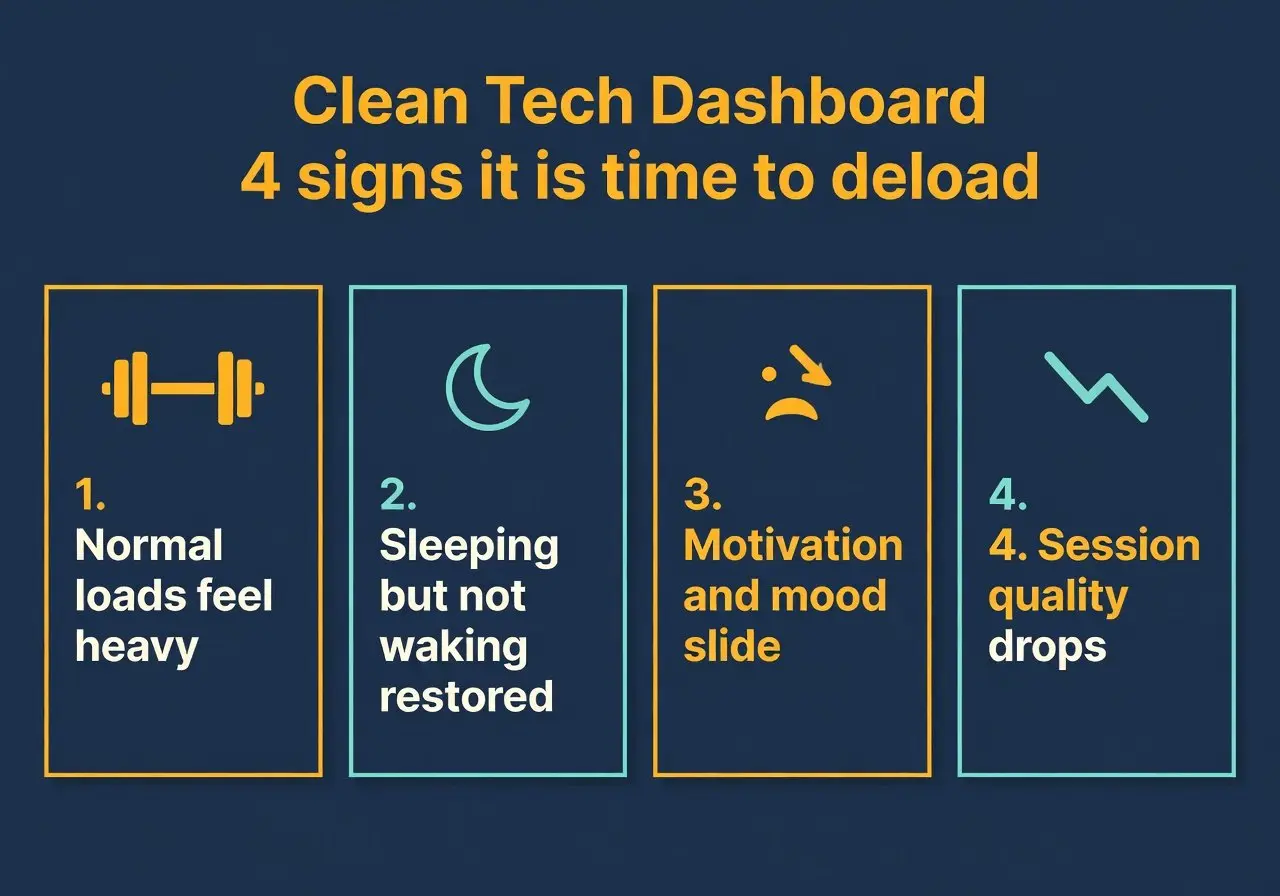
You need a deload when normal loads feel heavy across multiple sessions, you're sleeping but not waking restored, mood and motivation slide together, and session quality drops while effort stays maximal. Recovery after a heavy block isn't complicated
Customers Reviews
Please leave your review on products or service below.
Thank you beforehand.
- Excellent site and very easy to navigate.
- Easy to use and locate items.