


Peptides for Sleep and Growth Hormone: Guide and Benefits
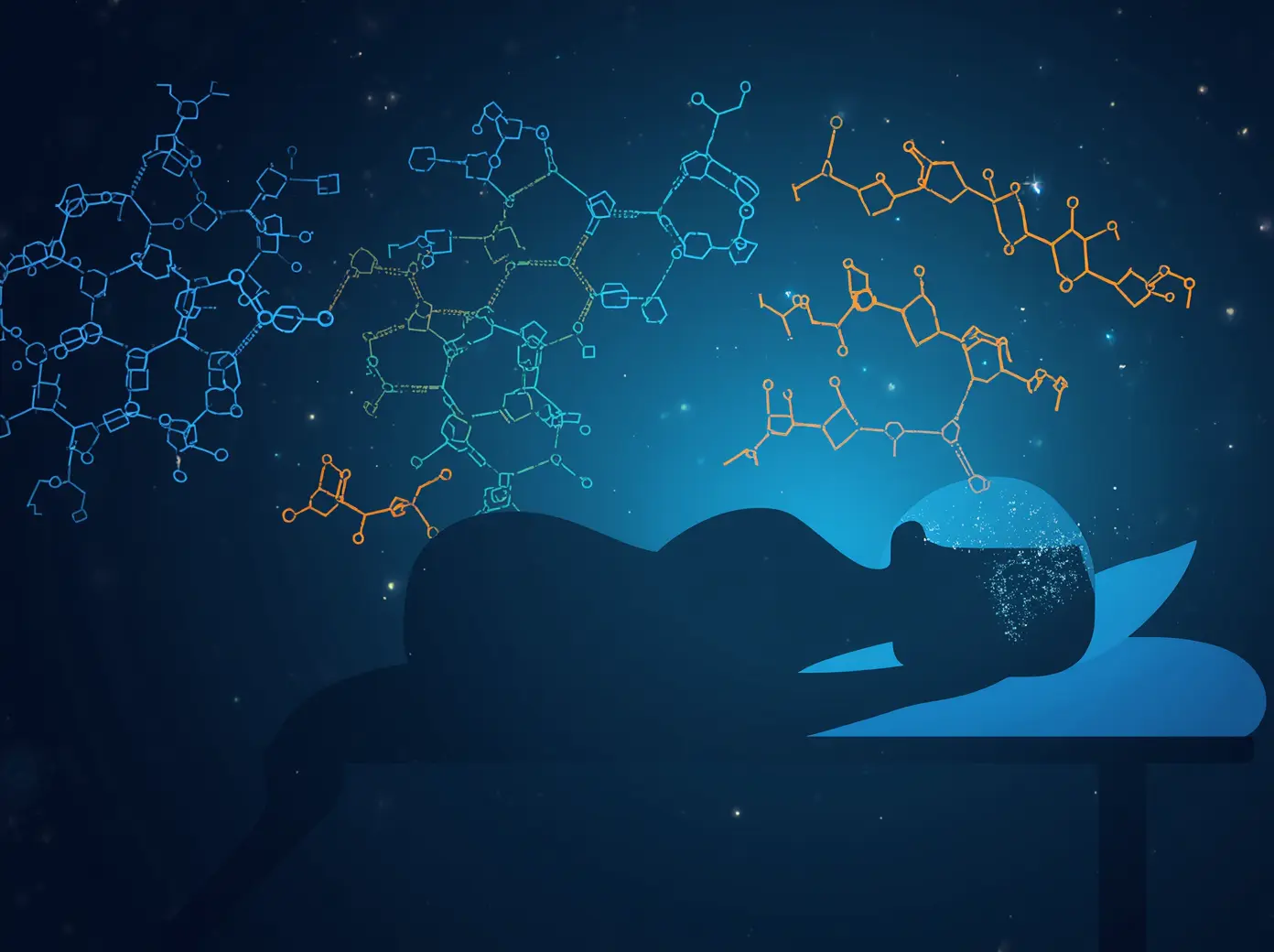
Most people who type "which peptides improve sleep and growth hormone" into a search bar are already past the melatonin-gummy phase. They've tried the magnesium, the blackout curtains, the 10 p.m. cutoff on screens. And still, the sleep feels shallow. The mornings feel like wading through wet sand. So the natural question becomes: is there a compound that can push the body back into the kind of deep, restorative sleep it used to do on autopilot?
Short answer? A handful of growth hormone peptides do appear to nudge the body in that direction, primarily by stimulating natural nighttime GH pulses rather than dumping synthetic hormone into the system. The names that come up over and over in clinical conversations are Sermorelin, Ipamorelin, CJC-1295, DSIP, Epitalon, and the oral secretagogue MK-677.
But before we romanticize any of them, I want to be honest about something. I've watched people treat peptides like a cheat code, and I've seen the same people six months later still waking up at 3 a.m. So let's go deep, but let's stay skeptical.
Which Peptides Improve Sleep and Growth Hormone?
The peptides most often discussed in this conversation belong to two overlapping families: growth hormone secretagogues (which prod the pituitary to release more GH) and sleep-specific peptides (which seem to act on sleep architecture more directly). The overlap is the interesting part, because GH release and slow-wave sleep are physiologically married. You can't really fix one without touching the other.
Sermorelin
Sermorelin is a GHRH analog. It mimics the hypothalamic signal that tells the pituitary, "Hey, send out a GH pulse." Because it works upstream of the pituitary, it tends to preserve the body's natural feedback loops, which is why clinicians like it. Patients on sermorelin therapy often report longer stretches of uninterrupted sleep, better recovery from training, and a slow return of that "I actually slept" feeling in the morning. The mechanism here matters: GHRH activity is one of the signals required to slide into and sustain slow-wave sleep, so a well-timed sermorelin sleep therapy protocol can deepen the early-night GH pulse window rather than just sedating you.
Ipamorelin and CJC-1295
These two get stacked constantly in the wellness world, and the pairing actually has logic behind it. CJC-1295 is a long-acting GHRH analog that raises the baseline; Ipamorelin is a selective hexapeptide growth hormone secretagogue that triggers a clean GH pulse without much spillover into cortisol or prolactin. Used together at bedtime, they're designed to amplify the nocturnal hormone secretion window the body would normally rely on, supporting deeper sleep depth and better recovery.
Ipamorelin in particular gets credit for not causing daytime fatigue or sedation, which is part of why bodybuilders and biohackers like it. It works at night, then gets out of the way.
DSIP, Epitalon, and MK-677
DSIP, the Delta Sleep-Inducing Peptide, is the oddball. It's a nonapeptide that doesn't really chase GH directly. Instead, it appears to promote delta wave sleep, blunt stress responses, and support the kind of physiological restoration that happens in the deepest sleep stages. Early sleep electroencephalogram studies showed real, measurable EEG changes in conscious animals and humans, though the data on chronic insomnia is mixed.
Epitalon is the circadian player. It nudges the pineal gland toward better melatonin production, which is why people use it for circadian rhythm regulation and age-related sleep disturbances. And MK-677 (Ibutamoren), while not technically a peptide, gets lumped into these conversations because it's an oral ghrelin mimetic that bumps GH and IGF-1 without injections. The trade-off is that it can crank appetite and water retention, so it's not a free ride.
How Peptides Influence Sleep Cycles and GH Release
Here's where the physiology gets fun.
Pituitary stimulation
Most growth hormone peptides act on the hypothalamic-pituitary axis. They either look like GHRH (sermorelin, CJC-1295, tesamorelin) or they look like ghrelin (ipamorelin, MK-677, GHRP-2). Both pathways converge on the pituitary, which then releases endogenous GH in a pulse. The body's natural rhythm is preserved, which is why this approach gets framed as more physiological than recombinant HGH injections.
Slow-wave sleep enhancement
The most reproducible GH pulses in humans occur shortly after sleep onset, locked to the first major episode of slow-wave activity. That's the bridge. When a peptide therapy supports that GH pulse, it often supports the SWS that rides along with it. The result, in theory: better sleep architecture, more time in delta sleep, and a measurable shift in sleep EEG variables compared to basal values or placebo.
Circadian and melatonin signaling
Epitalon is the obvious example here, but the broader point is that some peptides act on timing rather than depth. If your problem is drifting bedtimes, jet lag, or a sleep-wake cycle that's slowly creeping later every week, a peptide that supports melatonin signaling addresses a different layer than one that just boosts nighttime GH pulses.
Why Growth Hormone Declines With Age and Poor Sleep
The frustrating thing about GH is that it falls off a cliff after about age 30, and poor sleep accelerates the drop. The two reinforce each other in a feedback loop nobody asked for.
Somatopause
The slow age-related decline in GH secretion has a name: somatopause. By your 40s, total nightly GH output may be a fraction of what it was at 20. Less GH means less repair, more visceral fat, slower recovery, and, oddly, lighter sleep.
Cortisol interference
Chronic stress and elevated evening cortisol fragment sleep and suppress the nighttime GH pulse. If you're going to bed wired, your pituitary essentially gets told to stand down. No amount of peptide therapy fully overrides a cortisol problem you haven't addressed.
Lost deep-sleep windows
When you cut sleep short, you disproportionately cut the deep sleep stages. SWS happens mostly in the first third of the night, so a person who sleeps five hours isn't just losing a third of their total night; they're losing a much bigger chunk of their restorative sleep and the GH pulses that ride on it.
Match the Peptide to Your Sleep Problem
This is the part nobody on the internet wants to talk about, because it's less marketable than a "best peptides for sleep" listicle. Sleep is annoyingly specific. The mechanism has to match the problem.
- Trouble falling asleep: If your latency is the issue, look at circadian and stress-side approaches. Epitalon for melatonin support, DSIP for that calming, delta-leaning effect. Throwing GH secretagogues at sleep onset insomnia is often the wrong tool.
- Waking at 3 a.m.: This is usually a stress-hormone story. Cortisol rising too early, blood sugar dipping, hyperarousal patterns. Peptides that just help you fall asleep faster won't fix the early morning awakening loop. The foundation work (alcohol cutoff, evening protein, stress relief practices) matters more here than any sleep peptide.
- Light, unrefreshing sleep: If you fall asleep fine and sleep through the night but wake up feeling like you watched a slideshow of yourself sleeping, this is where the SWS-enhancing crew earns its keep. Sermorelin, the CJC-1295 plus Ipamorelin stack, or DSIP for sleep depth.
That mechanism-match step is the diagnostic part most people skip. Without it, you're rolling dice and calling it lifestyle optimization.
Compare the Top Sleep and GH Peptides Side by Side
| Peptide | Primary Mechanism | Best For | Timing | Notable Caveat |
|---|---|---|---|---|
| Sermorelin | GHRH analog, short-acting | SWS support, recovery | Bedtime | Requires consistency; effects build over weeks |
| Ipamorelin | Ghrelin mimetic, selective GH pulse | Clean recovery, no cortisol bump | Bedtime | Often paired, not solo |
| CJC-1295 | Long-acting GHRH analog | Sustained GH baseline | Bedtime, 2-3x/week | Half-life can blunt natural pulsatility |
| DSIP | Delta-wave promoter, neuropeptide | Sleep depth, stress resilience | 30 min before bed | Evidence is older and mixed |
| Epitalon | Pineal/melatonin signaling | Circadian rhythm regulation | Evening cycles | Anti-aging hype outruns the data |
| MK-677 | Oral ghrelin mimetic | Convenience, GH/IGF-1 boost | Bedtime | Appetite, water retention, insulin sensitivity hits |
Safety, Legality, and Clinical Considerations Before Starting
Here's where I get a little blunt. A lot of these peptides remain experimental in regulatory terms. They're prescribed off-label in some jurisdictions, banned in competitive sport, and sold gray-market in too many corners of the internet where purity and contamination are real concerns.
The clinical advice that keeps showing up in the legitimate hormone research literature is pretty consistent: use proper dosing, cycle them (a six-week-on, break-off pattern is common), and stay under medical supervision. People with active cancer, certain endocrine conditions, or untreated diabetes have specific contraindications. The "I bought it from a research site" route is where most of the horror stories come from, not the compounds themselves.
Long-term safety data on GHRH analogues looks reasonable in supervised trials (tesamorelin has the cleanest record, with FDA approval for reducing visceral fat in a specific population), but "reasonable in trials" is not the same as "fine to stack five peptides for a year because a YouTuber said so."
Why Peptides Alone Will Not Fix Broken Sleep Hygiene
I'll say the unsexy part out loud: if you're drinking caffeine at 4 p.m., scrolling at 11:30, sleeping in until noon on weekends, and stressed out of your mind on weekdays, no peptide is going to override that. You'll get a temporary lift, maybe a placebo bump, maybe a real one. Then the underlying chaos reasserts itself.
The sleep peptides that work best, work best on top of a stable foundation. Consistent wake time. Morning light. Caffeine cutoff by early afternoon. An evening that actually winds down instead of accelerating. These are the boring things that move the needle on sleep efficiency, and they don't sell as well as a vial of something exotic.
There's also a quiet trap in the "I slept more" versus "I slept better" distinction. Falling asleep faster because you were exhausted isn't the same as restoring sleep architecture. Plenty of people experience the first and assume they've fixed the second.
Should You Try Peptides or Fix the Foundation First?
Honest take? Fix the foundation first. Lock in two weeks of strict sleep hygiene, consistent timing, and reduced evening stimulation before you consider any peptide therapy. If sleep is still shallow, if you still wake up feeling like you ran a marathon at 4 a.m., then you have a real signal that something deeper, hormonal or architectural, is off. That's when peptides become a tool worth considering with a clinician who actually knows what they're doing.
Skip the foundation and you'll never know what helped. Was it the peptide? The vacation week? The fact that you stopped drinking wine with dinner? You're running an experiment with too many variables and no control.
FAQ
Do peptides actually make you sleepy? Not in the sedative sense. Most growth hormone peptides don't knock you out. They support the body's natural nighttime GH pulses and slow-wave sleep, which means you fall into deeper sleep more easily, but you won't feel "drugged."
How long until I notice a difference? Subjective sleep quality often shifts within one to two weeks. Measurable changes in sleep EEG and body composition take longer, often six to twelve weeks with consistent dosing.
Can I take more than one sleep peptide at a time? Clinically, yes (CJC-1295 plus Ipamorelin is the classic example). On your own, I wouldn't. Stacking blind makes it impossible to know what's helping and what's just noise.
Is MK-677 a peptide? Technically no. It's an orally active ghrelin mimetic, but it gets grouped with growth hormone peptides because the end result, increased GH and IGF-1, is similar.
Are these legal? Depends on your country and how they're prescribed. Many are research-only in the U.S. unless prescribed by a licensed physician for an approved indication. WADA bans most of them for athletes.
Conclusion
The peptides that improve sleep and growth hormone are real, the mechanisms are reasonable, and in the right person, with the right diagnosis, they can shift sleep architecture in a way that supplements and habits alone can't quite reach. Sermorelin, Ipamorelin with CJC-1295, DSIP, Epitalon, MK-677. Each has its lane.
But I'd push back on the framing that any one of them is "the best." Sleep is too personal for that. The strongest move isn't picking a peptide. It's understanding which kind of broken sleep you have, fixing the foundation underneath it, and then, only then, asking whether a targeted compound makes sense for the gap that's left.
That's the boring answer. It's also the one that tends to actually work.
Articles
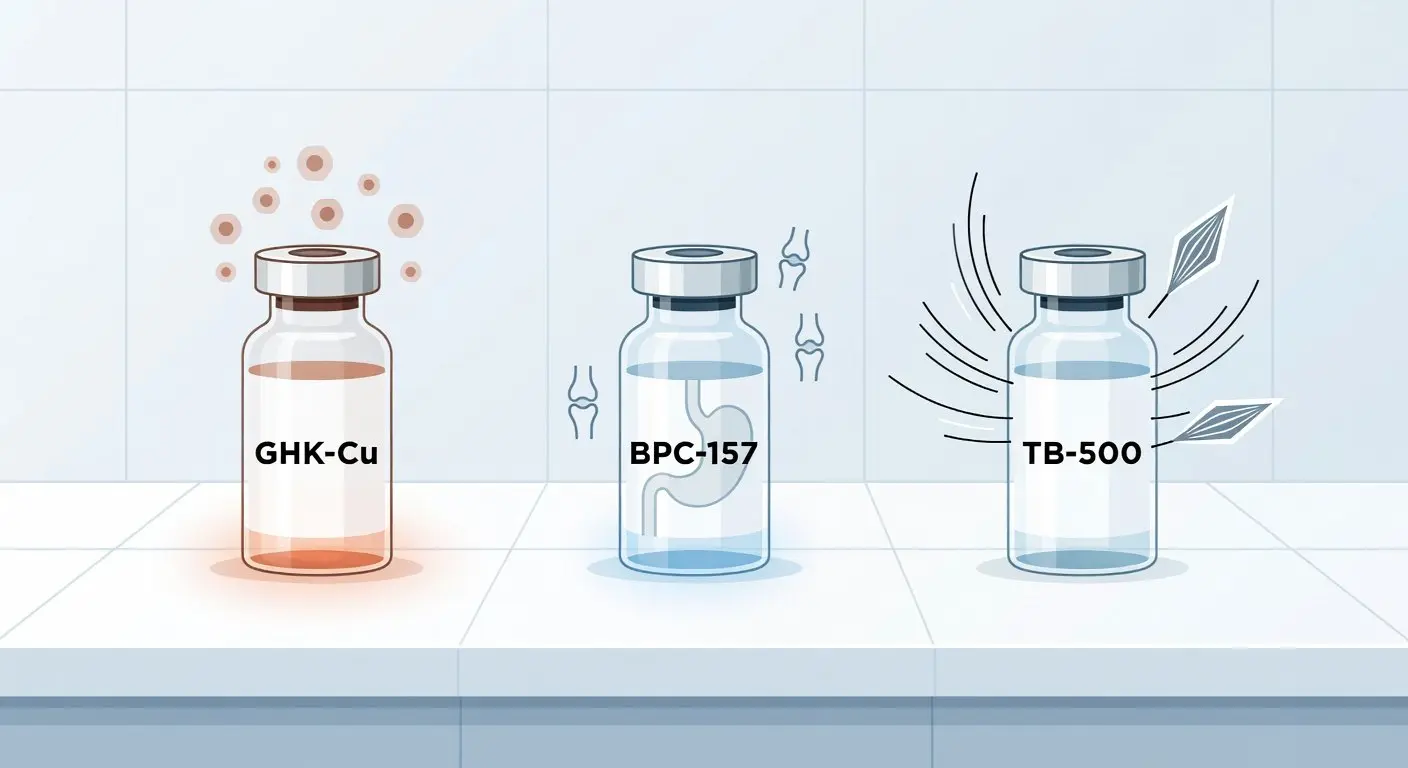
GHK-Cu, BPC-157 and TB-500 are among the most discussed recovery peptides, but each works through different mechanisms. This guide compares their potential benefits for tissue repair, inflammation support, recovery and healing while highlighting key differences and safety considerations.

Nutrition in bodybuilding is a type of diet aimed at changing the condition of the body. As a rule, such a diet is focused on increasing muscle mass.

This is a long but very very true story. I am now 41 years old and about 3 1/2 years ago I got sick out of the blue. I have been an athlete my whole life and compted as a youth in bodybuilding and powerlifting with out the use of anabolic steroids. I have always avoided them...
Customers Reviews
Please leave your review on products or service below.
Thank you beforehand.
- Excellent site and very easy to navigate.
- Easy to use and locate items.