


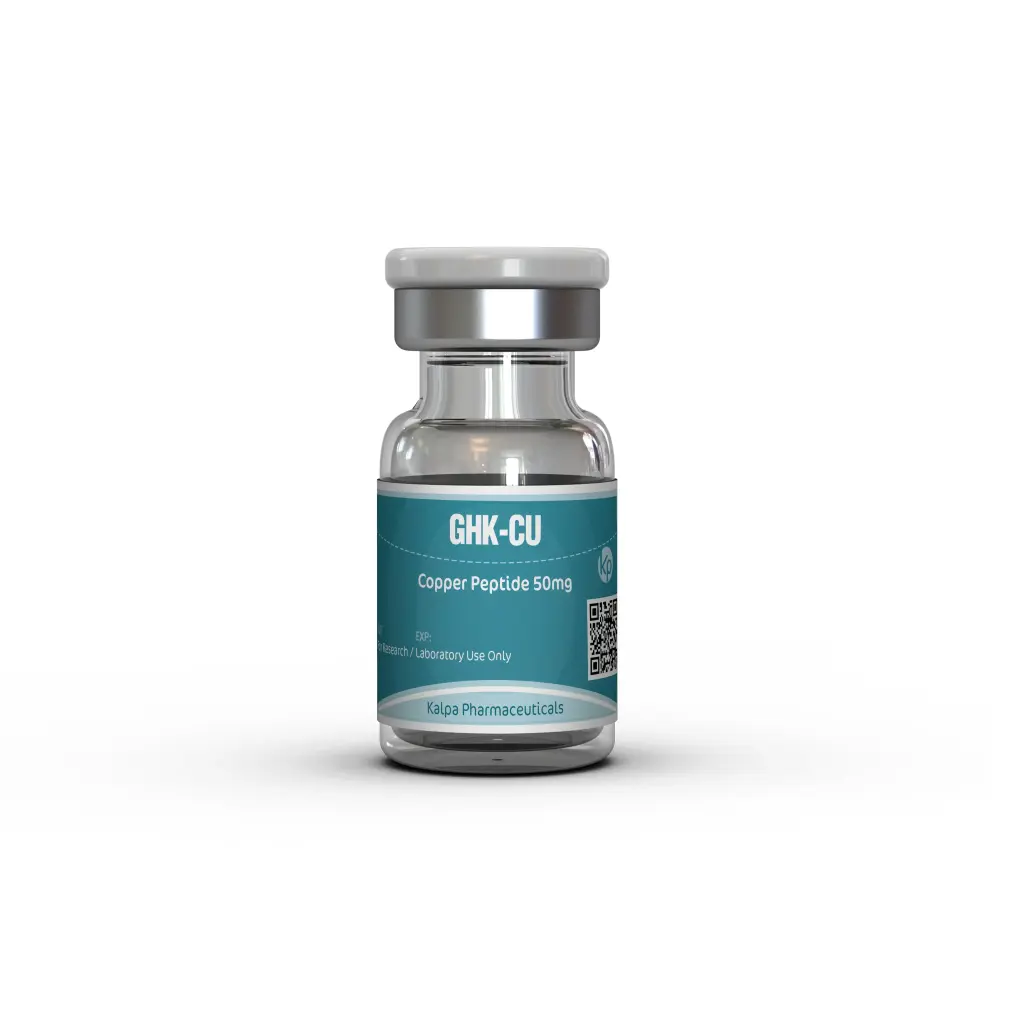
Manufacturer: Kalpa Pharmaceuticals
Pharmaceutical name: GHK-CU
Pack: vial (50mg per vial)
⚠️ Provided in a lyophilized powder for stability
GHK-CU 50 mg is a copper peptide produced by Kalpa Pharmaceuticals LTD in India. Its active substance is GHK-CU, a short peptide bound to copper that shows up in a lot of skin, collagen and wound repair research. Each vial holds 50 mg of lyophilized powder and you mix it with bacteriostatic water before use.
Kalpa has been making peptides for research labs for years, and this 50 mg vial is their standard size for repeat test runs.
Lab work with this copper peptide usually covers:
All of this is laboratory research. GHK-CU 50 mg is not a medicine and is not sold for human use.
Being lyophilized, the powder stays stable during shipping as long as you keep it dry.
Store the sealed vial out of direct light in a cool, dry spot. After you add water, keep it cold, between 2 and 8 degrees Celsius, and finish it within a few weeks. Handle it with clean tools and never shake the vial hard.
Copper peptides are usually run in groups. A common pairing is GHK-Cu 50mg by Peptide Hubs as a second supply for the same test, or GHK-Cu 50mg by Dragon Pharma if you want a European maker. For combined skin research, the GLOW blend mixes several repair peptides in one vial. You can browse the rest on the Peptides and SARMS page.
Is this the same copper peptide sold in skin creams?
It is the same peptide, but this is a raw lyophilized vial for research, not a finished cosmetic product.
Do I need a prescription?
No. You can buy GHK-CU 50 mg without prescription from our shop.
Why is the pack size 50 mg?
50 mg gives a lab enough material for several test batches without opening a new vial every time.
Adding GHK-CU 50 mg to your cart takes a minute. Compare it with the Peptide Hubs and Dragon Pharma versions first if you want to test makers side by side, or head to the Peptides and SARMS category for more copper peptide options.
| Approach | Amount | How often | Cycle | Best suited for |
|---|---|---|---|---|
| Research and clinician-guided ranges | ||||
| Cautious start | 0.5–1 mg | Once a day | Set on/off periods | First-time users, introduced slowly |
| Standard step-up | 1 mg → 2 mg | Once a day | 30 days on, 30 days off | Skin quality and healthy aging |
| Steady daily | 1–2 mg | Once a day | Set on/off periods | Returning users who want a consistent dose |
| Higher intensity | 2–3 mg | Once a day | Short, set cycle | Tissue and connective-tissue repair |
| Standard 30-day step-up schedule | ||||
| Days | Daily dose | Stage | ||
| 1–15 | 1 mg once a day | Active, lower dose | ||
| 16–30 | 2 mg once a day | Active, increased dose | ||
| 31–60 | Rest period | Break to reassess | ||
| Key facts | ||||
| What it is | A copper-binding tripeptide (glycyl-L-histidyl-L-lysine) linked to skin renewal, collagen support, and tissue remodeling | |||
| Usual route | Injection under the skin (subcutaneous), once a day | |||
| Typical cycle | 30 days on, 30 days off, so the provider can reassess before continuing | |||
| Dosing approach | It works as a signaling peptide because of its copper component, so a higher dose is not automatically better | |||
| Often paired with | BPC-157 and TB-500 in tissue-repair discussions | |||
| Possible side effects | Reactions at the injection spot, sensitivity to copper, tiredness | |||
| Do not use if | Pregnant, breastfeeding, with Wilson's disease or another copper storage disorder, or without clinician supervision | |||
| Disclaimer | Figures are math conversions only; they do not confirm product quality, safety, or medical suitability | |||
| Reconstitution calculator | |
|---|---|
| Find out how much bacteriostatic water to add and how many units to draw on your syringe for your GHK-Cu dose. | |
| Peptide in the vial |
mg
|
| Bacteriostatic water |
mL
|
| Dose you want |
mg
|
| Syringe |
|
| Results | |
| Choose your values and press Calculate. | |
| Concentration | — |
| Amount to draw | — |
| Units to draw | — |
| Doses in the vial | — |
| How the math works | |
| 1. Find the concentration | Divide the peptide in the vial by the water added. For example, 50 mg ÷ 2 mL = 25 mg/mL |
| 2. Work out the volume | Divide the dose by the concentration. For example, 1 mg ÷ 25 mg/mL = 0.04 mL |
| 3. Convert to units | On a U-100 syringe, multiply the mL by 100. For example, 0.04 mL = 4 units |
| 4. Check the syringe | Make sure the amount fits the syringe you are using |
| Worked example | |
| Vial | 50 mg GHK-Cu |
| Water | 2 mL bacteriostatic water |
| Dose | 1 mg |
| Syringe | 100 units (1 mL) |
| Concentration | 50 mg ÷ 2 mL = 25 mg/mL |
| Amount to draw | 1 mg ÷ 25 mg/mL = 0.04 mL, which is 4 units on a U-100 syringe |
| Doses in the vial | 50 mg ÷ 1 mg = 50 doses |
| Step-up schedule example | |
| Vial | 50 mg GHK-Cu mixed with 2 mL water = 25 mg/mL |
| Days 1–15 | 1 mg a day = 0.04 mL = 4 units (15 doses) |
| Days 16–30 | 2 mg a day = 0.08 mL = 8 units (15 more doses, 30 in total) |
| Total used | 45 mg of the 50 mg vial (15 × 1 mg + 15 × 2 mg) |
| Disclaimer | |
| This tool does math conversions only. It does not choose a dose for you or confirm product quality, safety, or medical suitability. | |
Mixing a peptide takes about a minute. Keeping it good afterwards is the part most people get wrong, so follow the guide below and then store the vial the way we describe underneath it.
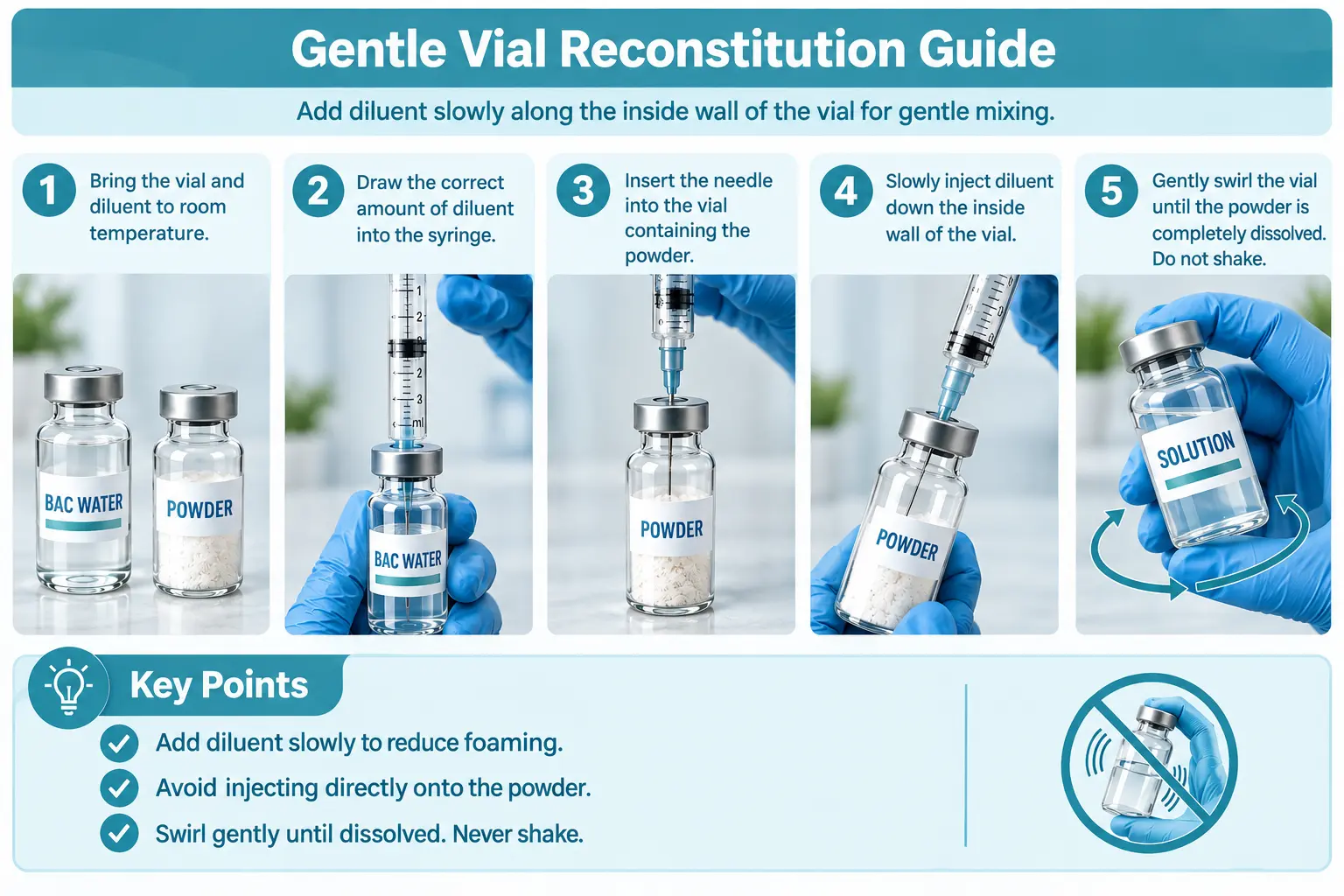
Follow the five steps in the guide above. Bring the vial and the diluent to room temperature first, add the bacteriostatic water slowly down the inside wall so it does not foam and swirl gently until the powder is fully dissolved. Never shake the vial and never spray the bacteriostatic water straight onto the powder.
Once it is mixed, the vial goes back in the refrigerator at 2 to 8°C (35.6°F to 46.4°F) and stays there until you have used it. Write the mixing date on the vial so the clock is visible, not remembered.
Unmixed powder is far easier to store. Keep it dry, out of light, at room temperature for short periods or at -20°C for the long term and reconstitute only what you plan to use.
Please log in to write GHK-CU 50 mg review.
Manufacturer: Dragon Pharma
Pharmaceutical name: GHK-CU
Pack: vial (50mg per vial)
⚠️ Provided in a lyophilized powder for stability
Manufacturer: British Dragon Pharmaceuticals
Pharmaceutical name: GHK-CU
Pack: vial (50mg per vial)
⚠️ Provided in a lyophilized powder for stability
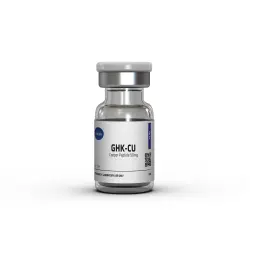
Manufacturer: Axiolabs
Pharmaceutical name: GHK-CU
Pack: vial (50mg per vial)
⚠️ Provided in a lyophilized powder for stability
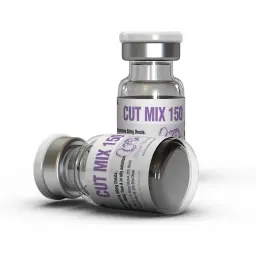
Manufacturer: Dragon Pharma, Europe
Pharmaceutical name: Testosterone Propionate,
Drostanolone Propionate, Trenbolone Acetate
Pack: 10 ml vial (150 mg/ml)
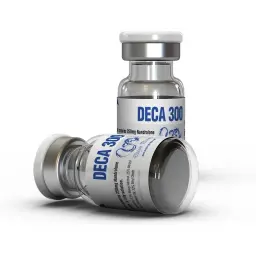
Manufacturer: Dragon Pharma, Europe
Pharmaceutical name: Nandrolone Decanoate
Pack: 10 ml vial (300 mg/ml)
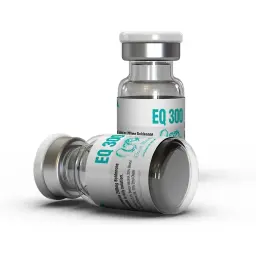
Manufacturer: Dragon Pharma, Europe
Pharmaceutical name: Boldenone Undecylenate
Pack: 10 ml vial (300 mg/ml)
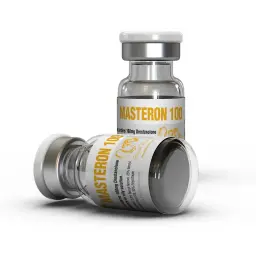
Manufacturer: Dragon Pharma
Pharmaceutical name: Drostanolone Di-Propionate
Pack: 10 ml vial (100 mg/ml)
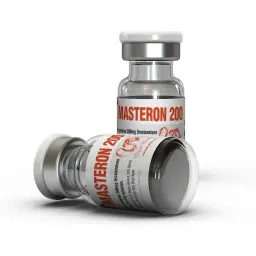
Manufacturer: Dragon Pharma, Europe
Pharmaceutical name: Drostanolone Enanthate
Pack: 10 ml vial (200 mg/ml)