


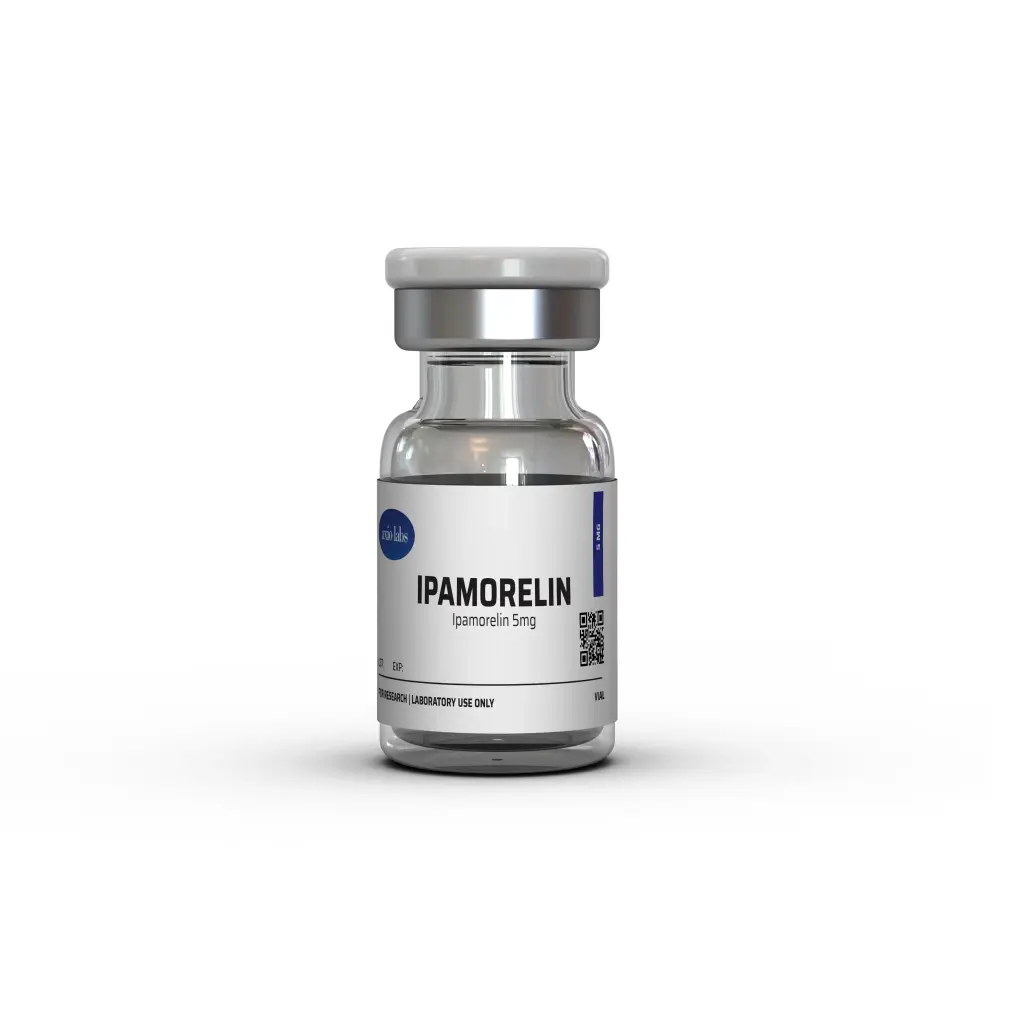
Manufacturer: Axiolabs
Pharmaceutical name: Ipamorelin
Pack: vial (5 mg)
⚠️ Provided in a lyophilized powder for stability
If you're looking at "Axiolabs Ipamorelin," you're probably trying to answer one blunt question: will a growth-hormone secretagogue actually move the needle on sleep, recovery, and body composition without dragging you into full-blown HGH drama. Ipamorelin can stimulate pulsatile growth hormone release from the pituitary by acting as a ghrelin-receptor agonist, which is why people chase it for better restful sleep, recovery, and a slower-burn recomposition, but the "one month transformation" storyline is mostly wishcasting plus whatever else changed in someone's diet, training, and obsession with the scale.
I'm going to talk about what it is, how it works (mechanism of action, not vibes), how it stacks up against CJC-1295, GHRP-2, and GHRP-6, what benefits people seek versus what studies and clinical development actually suggest, and then the stuff that matters when needles and hormones are involved: administration expectations, timeline, side effects, contraindications, lab monitoring, and the annoying reality that FDA approval is not the same thing as internet availability.
Ipamorelin is a pentapeptide, five amino acids, built to behave like a selective growth hormone secretagogue. It is not HGH. It is not anabolic steroids. It is a signaling peptide that nudges pituitary cells toward growth hormone release, which then downstream influences IGF-1 and igf 1 levels. PubChem's listing for ipamorelin's compound profile is the clean, non-marketing reminder that we're talking about a molecule with pharmacology, not a magical "anti-aging" fog.
In the real world, people "use" ipamorelin for a few different reasons, and if you don't sort your reason first, you're basically guaranteed to misread your results by week two.
Most people are chasing sleep and recovery first, because you can feel that quickly, especially if your training volume is high and your slow wave sleep has been trash.
The second bucket is body fat and metabolism, usually framed as fat loss or "leaner look," which is where IGF-1 talk shows up and everybody conveniently forgets calorie balance.
The third bucket is the slippery one: improved skin, skin tone, wrinkles, "anti-aging," sex drive, joint comfort, even wound healing chatter in regenerative medicine circles, all of it hard to quantify and easy to exaggerate.
What is it for, clinically? That's where things get tense. Growth hormone secretagogues have been investigated for therapeutic application across multiple conditions, but ipamorelin itself sits in a messy marketplace where telehealth clinics may prescribe compounded versions off-label, while research vendors sell "for lab use only" vials that are absolutely not a consumer product in any normal sense. That gap is the whole story behind "Axiolabs" style searches.
So, if you're trying to decide how to source it, here's a curated, same-framework roundup that's actually about risk management, not brand worship.
Best for medical oversight: clinician-guided peptide therapy (telehealth or local physician). Pros: real patient screening, someone cares about contraindications like cancer history, diabetes, or surgery timing; you can run labs like IGF-1, fasting glucose, insulin, lipids, sometimes ACTH and cortisol plasma levels if symptoms point there; product handling tends to be closer to cGMP expectations. Cons: cost, paperwork, and you do not get to freestyle doses like a forum thread. Practical implication: boring is good when you're manipulating hormone signaling.
Best for "I want it legit-ish but local": reputable compounding pathways. Pros: you may get pharmacy-grade sterile prep and counseling on administration. Cons: availability is inconsistent because regulatory status shifts, and not every compounding pharmacy will touch every peptide. Practical implication: you still need to act like an adult and track plasma levels over time, not just how you look in a bathroom mirror.
Best for budget gamblers: research vendors (where "Axiolabs" usually lands). Pros: cheaper, accessible, lots of community chatter about COAs and potency. Cons: purity, sterility, solubility issues, foaming, mislabeling, and the small detail that you are injecting something you cannot independently verify unless you test it. Practical implication: "hard pass without third-party COAs" is not paranoia, it's the minimum bar, especially with fragile lyophilized powders.
Mechanism matters because it explains why people feel something early but don't necessarily look different by the end of the month.
Ipamorelin acts primarily through the growth hormone secretagogue receptor, commonly called GHS-R1a, the same receptor system tied to ghrelin biology. When that receptor agonist signal hits, the pituitary responds with growth hormone pulses. Pulses is the key word. You're trying to mimic physiologic secretion, not dump exogenous hormone into the bloodstream and hope for the best.
Downstream, growth hormone influences hepatic production of IGF-1, which is why people obsess over igf 1 levels as a proxy for "efficacy." That obsession is half useful and half a trap. Useful because labs beat feelings. A trap because higher isn't automatically better if your glucose control worsens or you're flirting with edema, numbness, or carpal tunnel-ish symptoms from fluid shifts.
One of the reasons ipamorelin got popular compared to older GHRP compounds is the reputation for being more selective, meaning less spillover into cortisol and prolactin signaling. That selectivity is not a free pass, it's just a different risk profile.
If you want a sober, broad look at this drug class, the discussion in this review on growth hormone secretagogues is closer to "pharmacological profiling and clinical development" than gym folklore, and it lays out the basic logic of stimulating endogenous GH release rather than administering HGH.
People talk about these peptides like they're Pokémon evolutions. They're not. They're different levers, and the compromises are the whole point.
Here's the clean comparison I wish more people started with:
|
Compound |
Primary signaling |
What people "feel" |
Common compromises |
|---|---|---|---|
|
Ipamorelin |
GHS-R agonist (ghrelin pathway), GH pulse support |
sleep depth, recovery, subtle recomposition over weeks |
expectations outrun results; sourcing quality varies |
|
CJC-1295 (often "No DAC") |
GHRH stimulation, extends GHRH signaling |
smoother sleep and recovery when paired with a GHRP |
timing and half-life differences; stacking muddies causality |
|
GHRP-2 |
GHS-R agonist, less selective |
stronger "kick" for GH release |
more sides reported, including hunger and potential cortisol/prolactin effects |
|
GHRP-6 |
GHS-R agonist with notorious appetite drive |
big hunger, sometimes used when trying to gain |
ghrelin hunger can be obnoxious; not subtle at all |
The community obsession with "CJC-1295 + ipamorelin" stacks exists for a reason: you are hitting the axis from two angles, GHRH and GHRP, chasing a more noticeable GH release pattern without going straight to HGH. The cost is that you lose clarity. If sleep improves, was it ipamorelin, was it CJC, was it the fact that you stopped doomscrolling at 1 a.m. because you were suddenly "on a protocol"? Most people never know.
And since sports always shows up in this conversation, yes, performance-enhancing drugs are still a moral and regulatory minefield, and the broader ethical mess is captured in Britannica's debate on sports and drugs better than any influencer clip you'll see in April.
People want three outcomes: look better, recover faster, and feel younger. The marketing tries to pretend those are the same thing. They're not.
The most believable short-term "benefit" is improved sleep and recovery. That lines up with what users report and with what it would mean to support growth hormone pulses that normally cluster around deep sleep. In practice, the early win is often: less soreness, better stamina, slightly increased energy, and workouts that feel less like punishment.
Body composition is slower and messier. Growth hormone and IGF-1 can support lipolysis and lean muscle mass over time, but "over time" is doing heavy lifting there. If you're not doing resistance training, eating enough protein, and controlling nutrition, you're trying to win a chess match by polishing the pieces.
The anti-aging bucket is where I stay skeptical. Improved skin and fewer wrinkles get claimed constantly. Maybe some patients notice changes in skin tone, maybe joint aches feel different, maybe connective tissue comfort improves. I'm not calling everyone a liar. I'm saying it's hard to separate a physiologic repair signal from placebo, better sleep, and the fact that someone finally stopped drinking like a raccoon.
Also, ipamorelin is not tesamorelin. Tesamorelin has a clearer clinical lane for visceral fat in specific contexts. If your real target is abdominal fat and metabolic risk, pretending these are interchangeable is how people waste months.
The timeline people want is a month. The timeline biology tends to respect is weeks to a few months, especially if the goal is recomposition and not just "I slept like a rock twice."
My honest expectation curve looks like this: week 1 to 2 is mostly subjective, week 3 to 6 is where you might see subtle shifts if your training and diet are locked in, and week 6 to 12 is where you can start arguing with yourself using data instead of vibes.
If you track nothing, you learn nothing, and then every outcome becomes a story you tell yourself.
Track sleep quality in a consistent way, even if it's just the same wearable and the same notes each day.
Track training performance with at least one stable metric, like reps at a fixed load or estimated 1RM progression for strength.
Track waist measurement and body weight, but treat week-to-week water changes like noise, because they are.
Track labs if you're doing this under qualified healthcare providers: IGF-1, fasting glucose, A1C, lipids, maybe thyroid markers depending on symptoms, and anything your clinician flags based on status and history.
And yes, the "one month transformation" photos are usually a mash-up of pump, lighting, water, and the fact that someone got serious for 30 days. Cool story. What else did you do?
Side effects are usually described as mild until they aren't. The common reports include headache, flushing, injection-site irritation, fatigue, increased hunger, joint aches, and fluid retention that can feel like tingling or tightness in the hands. Women's Health Services of Maryland lists a pretty grounded set of commonly discussed side effects that matches what you hear anecdotally, even if the strength of evidence varies.
The bigger issue is contraindications and the stuff people casually wave away because it's not sexy.
If you have a personal history of cancer, unexplained masses, or you're under active oncology surveillance, you do not get to be casual about a pathway that can raise IGF-1. If you have diabetes, prediabetes, or you're already fighting insulin resistance, you need to watch glucose like a hawk because growth hormone can push in the wrong direction. If you're pregnant, breastfeeding, or dealing with endocrine disorders, this is not a DIY experiment. If you're heading into surgery, don't improvise around healing and clot risk without medical guidance.
Lab monitoring is the adult version of this conversation. You're watching IGF-1 because it reflects integrated growth hormone signaling over time, not because it's a scoreboard. You're watching fasting glucose and A1C because metabolic drift is how people get hurt quietly. In some cases, clinicians will look at cortisol and ACTH if symptoms suggest broader pituitary-adrenal weirdness, because endocrine systems love to cross-talk.
Regulatory and legal considerations are the final buzzkill. Ipamorelin is not FDA-approved as a consumer wellness tool, and the "research use only" pipeline is under increasing scrutiny. If you're buying from a vendor, you're betting on their quality system, their cold-chain handling, and their honesty, which is why the only sane move is demanding batch-specific third-party testing and treating anything without it as a hard pass.
Proper administration requires specific steps for reconstitution, dosing schedules, and storage to ensure safety and efficacy.
Administration Route: Administered via subcutaneous (SubQ) injection using an insulin syringe.
Dosing & Timing: Typically divided into two injections per day, spaced 2 to 3 hours apart to maintain stable levels. Common dosing approaches range from 200mcg to 500mcg per injection.
Strict aseptic conditions must be used during preparation:
Reconstitute: Use only sterile bacteriostatic water to dissolve the peptide.
Initial Storage: Keep peptides frozen until ready for immediate use.
Post-Use: Store the reconstituted solution in a refrigerator.
Stability: Maintain cold-chain integrity to ensure potency.
Disclaimer: Always follow specific instructions from a clinical practitioner and adhere to sterile handling protocols.
If you're considering Axiolabs ipamorelin, the real decision is not "does ipamorelin work," it's "what outcome am I chasing, what compromises am I accepting, and am I tracking enough to know if this is helping or just giving me an expensive month of motivation."
Does it "stimulate growth hormone release"? Yes, that's the core mechanism, pituitary signaling through the secretagogue receptor leading to GH release and downstream IGF-1 changes. Is it likely to turn you into a different person in one month? No, and honestly, that expectation is how people talk themselves into escalating doses, stacking blindly, and ignoring labs.
If your priority is safety, go the clinician route and treat it like therapy, not a hustle. If your priority is cost and you insist on the research-vendor world, then act like a skeptic: verify testing, store it correctly, keep your administration sterile, and track more than your mood.
And if your priority is "I want to feel better fast," fix your sleep, fix your training plan, fix your protein, fix your nutrition, then decide if a peptide belongs on top of that. Peptides don't replace the engine. They just sit on it.
| Tier | Amount per dose | What it means |
|---|---|---|
| Dose ranges | ||
| Low | 100 mcg | Cautious starting amount |
| Moderate | 250 mcg | Amount most often used in research |
| High | 500 mcg | Top of the range typically discussed |
| Key facts | ||
| Approval status | Research peptide only; the FDA has not approved any dose for human use | |
| Half-life | Not fixed; varies between reports | |
| Usual route | Injection under the skin (subcutaneous) | |
| Frequency | Once or twice per day | |
| Highest dose studied | 500 mcg | |
| Possible side effects | Irritation at the injection spot, nausea, digestive upset | |
| Disclaimer | Figures are math conversions for reference only, not medical advice | |
| Reconstitution calculator | |
|---|---|
| Find out how much bacteriostatic water to add and how many units to draw on your syringe for your Ipamorelin dose. | |
| Peptide in the vial |
mg
|
| Bacteriostatic water |
mL
|
| Dose you want |
mcg
|
| Syringe |
|
| Results | |
| Choose your values and press Calculate. | |
| Concentration | — |
| Amount to draw | — |
| Units to draw | — |
| Doses in the vial | — |
| How the math works | |
| 1. Find the concentration | Divide the peptide in the vial by the water added. For example, 5 mg ÷ 2 mL = 2.5 mg/mL, which is 2,500 mcg/mL |
| 2. Work out the volume | Divide the dose by the concentration. For example, 100 mcg ÷ 2,500 mcg/mL = 0.04 mL |
| 3. Convert to units | On a U-100 syringe, multiply the mL by 100. For example, 0.04 mL = 4 units |
| 4. Check the syringe | Make sure the amount fits the syringe you are using |
| Worked example | |
| Vial | 5 mg ipamorelin |
| Water | 2 mL bacteriostatic water |
| Dose | 100 mcg |
| Syringe | 100 units (1 mL) |
| Concentration | 5 mg ÷ 2 mL = 2,500 mcg/mL |
| Amount to draw | 100 mcg ÷ 2,500 mcg/mL = 0.04 mL, which is 4 units on a U-100 syringe |
| Disclaimer | |
| This tool does math conversions only. It does not choose a dose for you or confirm product quality, safety, or medical suitability. | |
Mixing a peptide takes about a minute. Keeping it good afterwards is the part most people get wrong, so follow the guide below and then store the vial the way we describe underneath it.
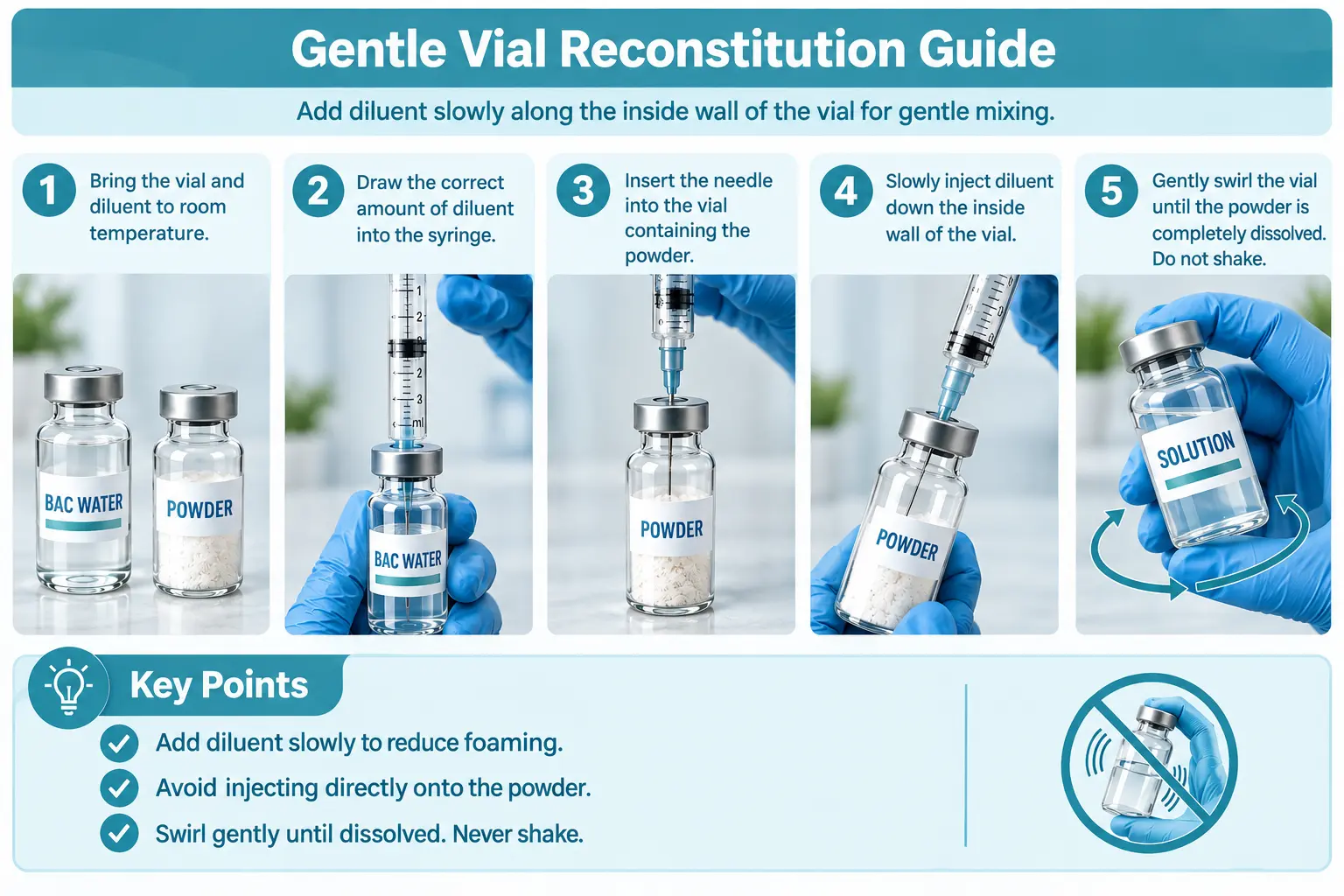
Follow the five steps in the guide above. Bring the vial and the diluent to room temperature first, add the bacteriostatic water slowly down the inside wall so it does not foam and swirl gently until the powder is fully dissolved. Never shake the vial and never spray the bacteriostatic water straight onto the powder.
Once it is mixed, the vial goes back in the refrigerator at 2 to 8°C (35.6°F to 46.4°F) and stays there until you have used it. Write the mixing date on the vial so the clock is visible, not remembered.
Unmixed powder is far easier to store. Keep it dry, out of light, at room temperature for short periods or at -20°C for the long term and reconstitute only what you plan to use.
Please log in to write Ipamorelin 5mg review.
Manufacturer: Peptide Hubs
Pharmaceutical name: Ipamorelin
Pack: vial (5 mg)
⚠️ Provided in a lyophilized powder for stability
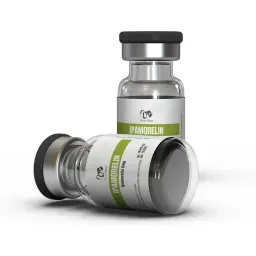
Manufacturer: Dragon Pharma
Pharmaceutical name: Ipamorelin
Pack: vial (5 mg)
⚠️ Provided in a lyophilized powder for stability
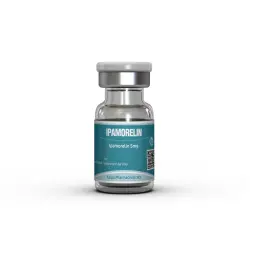
Manufacturer: Kalpa Pharmaceuticals
Pharmaceutical name: Ipamorelin
Pack: vial (5 mg)
⚠️ Provided in a lyophilized powder for stability
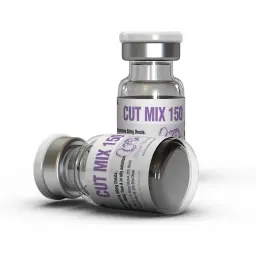
Manufacturer: Dragon Pharma, Europe
Pharmaceutical name: Testosterone Propionate,
Drostanolone Propionate, Trenbolone Acetate
Pack: 10 ml vial (150 mg/ml)
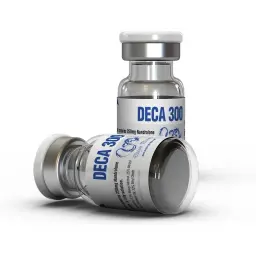
Manufacturer: Dragon Pharma, Europe
Pharmaceutical name: Nandrolone Decanoate
Pack: 10 ml vial (300 mg/ml)
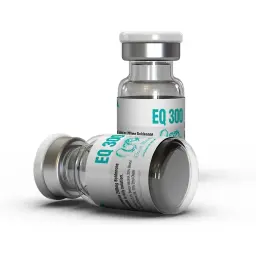
Manufacturer: Dragon Pharma, Europe
Pharmaceutical name: Boldenone Undecylenate
Pack: 10 ml vial (300 mg/ml)
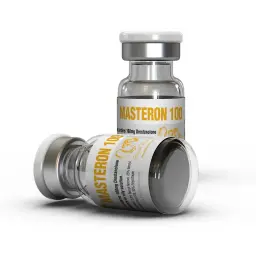
Manufacturer: Dragon Pharma
Pharmaceutical name: Drostanolone Di-Propionate
Pack: 10 ml vial (100 mg/ml)
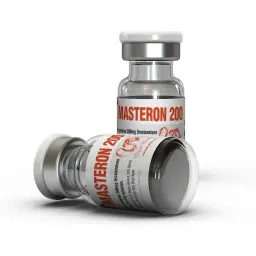
Manufacturer: Dragon Pharma, Europe
Pharmaceutical name: Drostanolone Enanthate
Pack: 10 ml vial (200 mg/ml)