


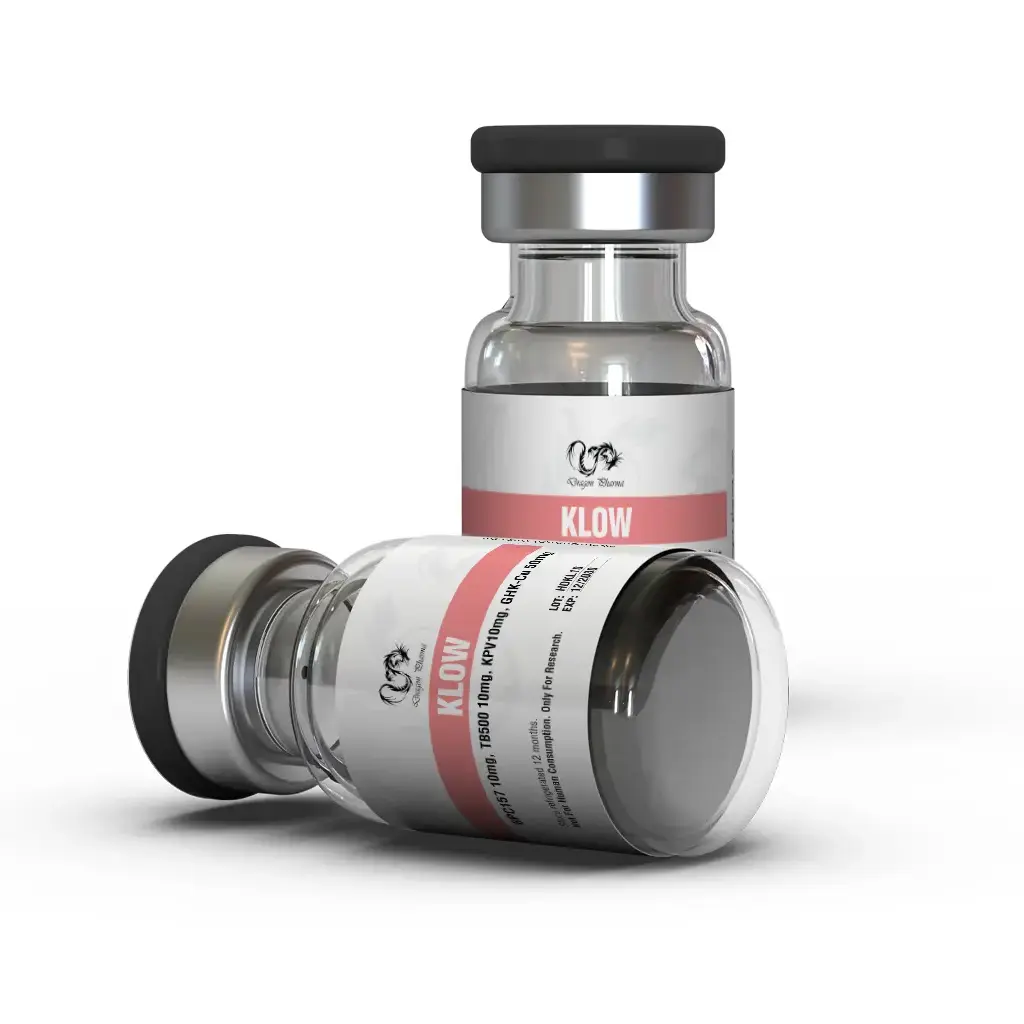
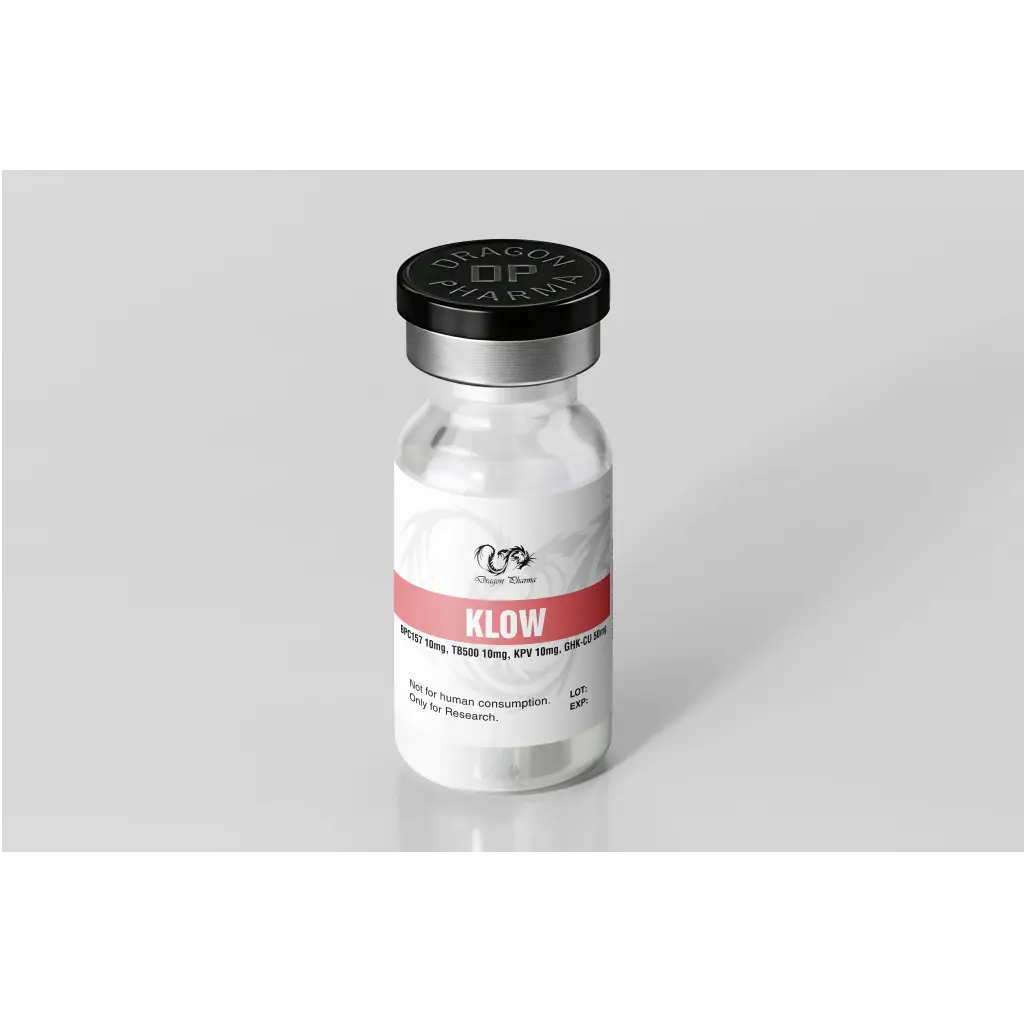
Manufacturer: Dragon Pharma
Pharmaceutical name: BPC 157 10mg + TB 500 10mg + KPV 10mg + GHK-Cu 50mg MIX
Pack: vial (80mg)
⚠️ Provided in a lyophilized powder for stability
KLOW is Dragon Pharma's next-gen recovery stack in a single vial: BPC-157 (10 mg) + TB-500 (10 mg) + KPV (10 mg) + GHK-Cu (50 mg) - a total of 80 mg lyophilized powder designed for athletes who need rapid soft-tissue support, calmer inflammation, and smarter remodeling between hard sessions. Instead of buying four peptides and juggling vials, KLOW unifies the most proven repair agents into one structured formula that's friendly for on-the-go protocols and deload phases.
What KLOW aims to do for lifters: BPC-157 is popular for GI lining and tendon/ligament comfort; TB-500 (a TB4 fragment) is used for tissue repair dynamics and mobility; KPV (alpha-MSH fragment) is appreciated for anti-inflammatory calm and skin/IBD-adjacent comfort; and GHK-Cu is loved by longevity enthusiasts for collagen support, healthy skin turnover, and "feel-better" recovery texture. Put together, the blend is engineered to help you train again sooner, reduce "nagging twinges," and build durable work capacity across a mesocycle. Use it when: mileage is climbing, elbows/knees feel cranky, a minor strain needs help, or prep volume is over the red line.
Form: KLOW is a lyophilized powder (no BAC water included). Users typically reconstitute with bacteriostatic water sourced separately. Because vial total is 80 mg, choose a volume that gives you easy math per dose:
General reconstitution steps: clean stopper, vent carefully, add BAC water slowly down the glass, swirl gently (don't shake hard), refrigerate after mixing (2–8 °C). Use sterile technique. This is informational guidance only-follow your local standards and clinician direction.
Because KLOW contains four actives, many athletes dose by total mg of blend and let each component scale with it. Practical user patterns (subQ):
Pro tip: Pair with sleep hygiene, soft-tissue work, sled dragging/tempo work, and a steady protein target (≥ 1.6–2.2 g/kg). Recovery inputs "stack."
| Feature | KLOW (BPC+TB-500+KPV+GHK-Cu) | TB-500 (Solo, UGL) |
|---|---|---|
| Coverage | Multi-tissue recovery + inflammation + collagen/skin | Mainly soft-tissue/tendon mobility |
| Convenience | One vial, one protocol | Single agent; may need add-ons |
| Inflammation Tone | Includes KPV for calm | Indirect |
| Collagen/Skin | Includes GHK-Cu (50 mg) | Limited |
| Best Use Case | Broad recovery blocks, high training volume | Narrow tendon/ligament focus |
It's convenience and coverage: one vial gives tendon/ligament support (BPC/TB-500), inflammation tone (KPV), and collagen/skin support (GHK-Cu) in a unified plan.
Many users choose 3.2–4.0 ml for easy math. Example: 4.0 ml yields 20 mg/ml; 0.25 ml then equals 5 mg of the blend. Store refrigerated after reconstitution.
Yes, some athletes add a short TB-500 or BPC pulse for "front-end" support, then let KLOW maintain. See single options above.
Many report comfort or movement-quality improvements within 1–3 weeks when training and sleep are aligned. Collagen/skin benefits build over cycles.
Some users prefer subQ near a problem area for perceived local benefit, though systemic support is also common. Keep technique sterile and consistent.
| Phase | How often | Length | Route | Best suited for |
|---|---|---|---|---|
| Common protocol ranges | ||||
| Loading phase | 4–5 times a week, or daily | 8–12 weeks | SubQ | Recovering from an active injury or surgery |
| Maintenance | 2–3 times a week | Ongoing | SubQ | Collagen support and a steady anti-inflammatory base |
| Lowered dose | 2–3 times a week at half dose | Reassess after 2 weeks | SubQ | Managing water retention (edema) |
| Equivalent doses with separate vials | ||||
| Compound | Dose | How often | ||
| BPC-157 | 250–500 mcg | Daily or 5 times a week | ||
| TB-500 | 2.5 mg | Twice a week | ||
| GHK-Cu | 1–2 mg | Daily or 5 times a week | ||
| Key facts | ||||
| What it is | A single vial that combines BPC-157, TB-500, and GHK-Cu | |||
| Mixing | Usually 2 mL of bacteriostatic water per vial | |||
| Storage | Keep in the fridge after mixing and use within 4–6 weeks | |||
| Most common side effect | Water retention (edema), mainly caused by the TB-500 | |||
| If edema appears | Cut the dose in half and reassess after 2 weeks | |||
| Separate vials | BPC-157 and GHK-Cu can be drawn into the same syringe | |||
| Disclaimer | Figures are math conversions only; they do not confirm product quality, safety, or medical suitability | |||
| Reconstitution calculator | |
|---|---|
| Find out how much bacteriostatic water to add and how many units to draw on your syringe for your Klow blend dose. | |
| Peptide in the vial |
mg
|
| Bacteriostatic water |
mL
|
| Dose you want |
mg
|
| Syringe |
|
| Results | |
| Choose your values and press Calculate. | |
| Concentration | — |
| Amount to draw | — |
| Units to draw | — |
| Doses in the vial | — |
| How the math works | |
| 1. Find the concentration | Divide the peptide in the vial by the water added. For example, 10 mg ÷ 2 mL = 5 mg/mL |
| 2. Work out the volume | Divide the dose by the concentration. For example, 2 mg ÷ 5 mg/mL = 0.4 mL |
| 3. Convert to units | On a U-100 syringe, multiply the mL by 100. For example, 0.4 mL = 40 units |
| 4. Check the syringe | Make sure the amount fits the syringe you are using |
| Worked example | |
| Vial | 10 mg Klow blend |
| Water | 2 mL bacteriostatic water |
| Dose | 2 mg |
| Syringe | 100 units (1 mL) |
| Concentration | 10 mg ÷ 2 mL = 5 mg/mL |
| Amount to draw | 2 mg ÷ 5 mg/mL = 0.4 mL, which is 40 units on a U-100 syringe |
| Disclaimer | |
| This tool does math conversions only. It does not choose a dose for you or confirm product quality, safety, or medical suitability. | |
Mixing a peptide takes about a minute. Keeping it good afterwards is the part most people get wrong, so follow the guide below and then store the vial the way we describe underneath it.
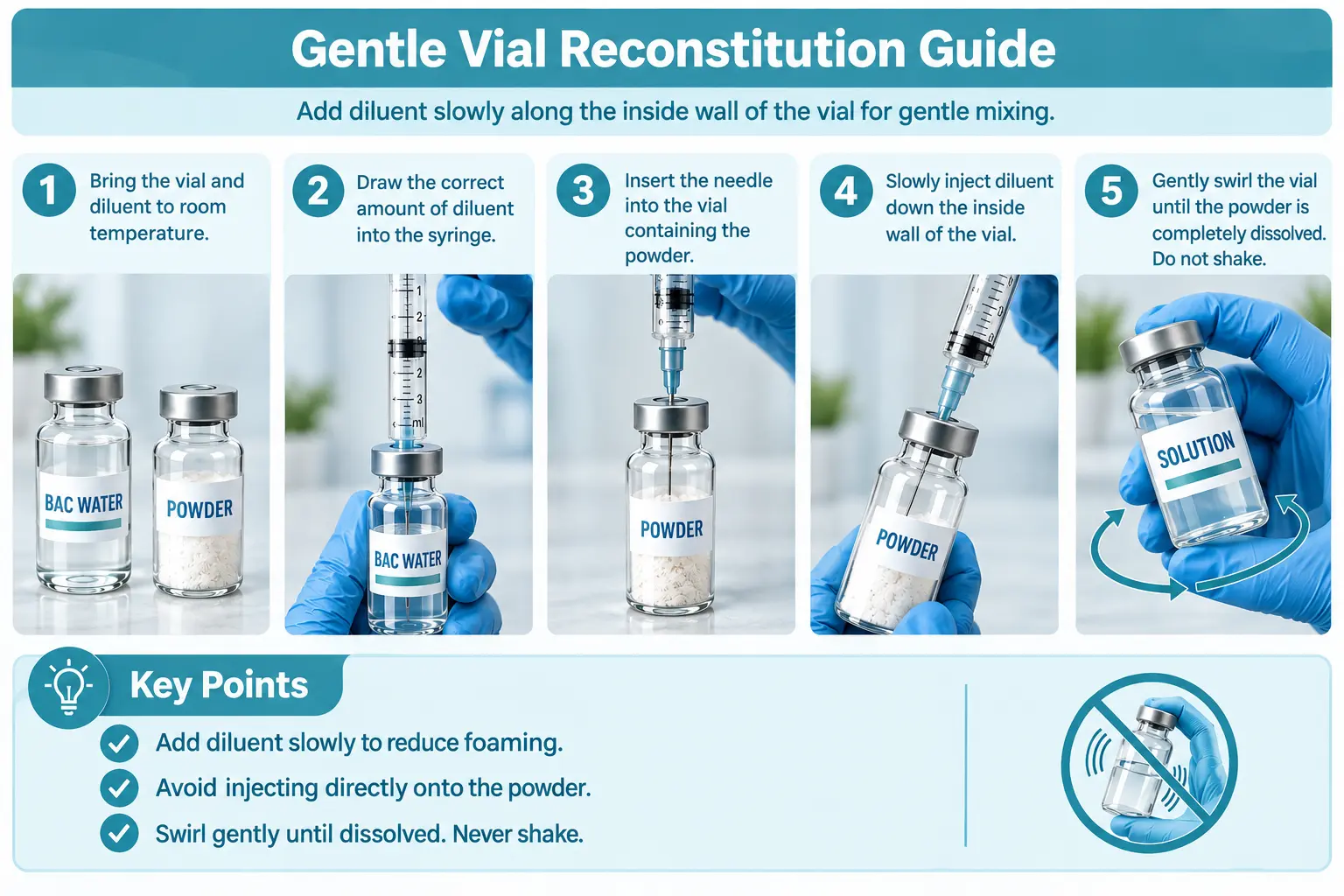
Follow the five steps in the guide above. Bring the vial and the diluent to room temperature first, add the bacteriostatic water slowly down the inside wall so it does not foam and swirl gently until the powder is fully dissolved. Never shake the vial and never spray the bacteriostatic water straight onto the powder.
Once it is mixed, the vial goes back in the refrigerator at 2 to 8°C (35.6°F to 46.4°F) and stays there until you have used it. Write the mixing date on the vial so the clock is visible, not remembered.
Unmixed powder is far easier to store. Keep it dry, out of light, at room temperature for short periods or at -20°C for the long term and reconstitute only what you plan to use.
Please log in to write Klow review.
Manufacturer: Dragon Pharma, Europe
Pharmaceutical name: Testosterone Propionate,
Drostanolone Propionate, Trenbolone Acetate
Pack: 10 ml vial (150 mg/ml)
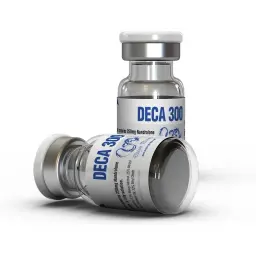
Manufacturer: Dragon Pharma, Europe
Pharmaceutical name: Nandrolone Decanoate
Pack: 10 ml vial (300 mg/ml)
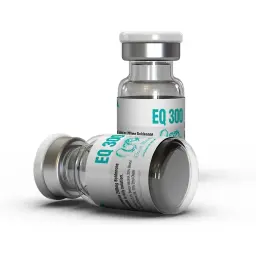
Manufacturer: Dragon Pharma, Europe
Pharmaceutical name: Boldenone Undecylenate
Pack: 10 ml vial (300 mg/ml)
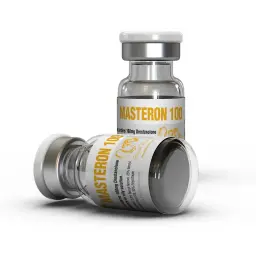
Manufacturer: Dragon Pharma
Pharmaceutical name: Drostanolone Di-Propionate
Pack: 10 ml vial (100 mg/ml)
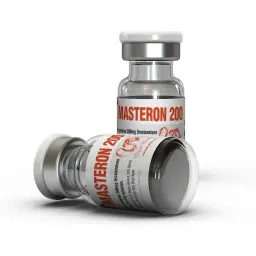
Manufacturer: Dragon Pharma, Europe
Pharmaceutical name: Drostanolone Enanthate
Pack: 10 ml vial (200 mg/ml)
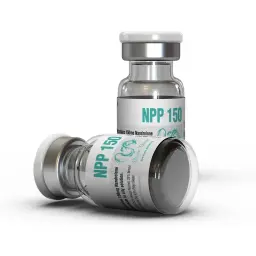
Manufacturer: Dragon Pharma, Europe
Pharmaceutical name: Nandrolone Phenylpropionate
Pack: 10 ml vial (150 mg/ml)
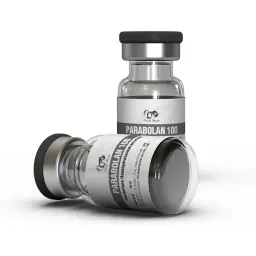
Manufacturer: Dragon Pharma
Pharmaceutical name: Trenbolone Hexahydrobenzylcarbonate
Pack: 10 ml vial (100 mg/ml)
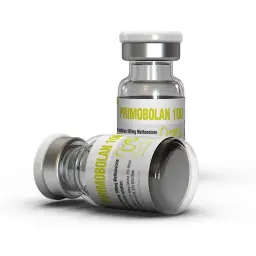
Manufacturer: Dragon Pharma
Pharmaceutical name: Methenolone Enanthate
Pack: 10 ml vial (100 mg/ml)