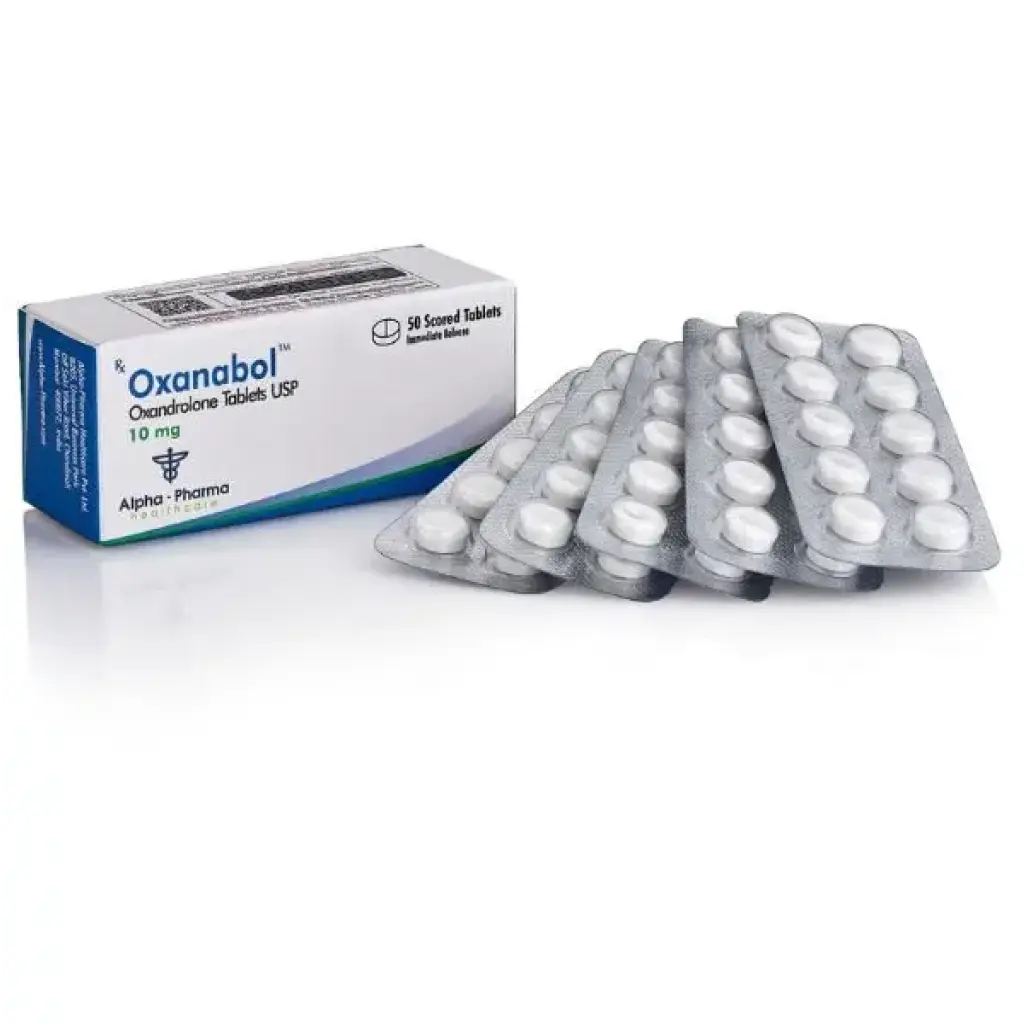
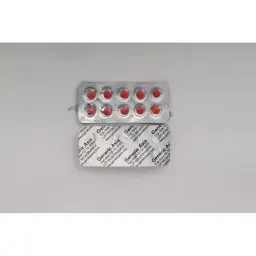
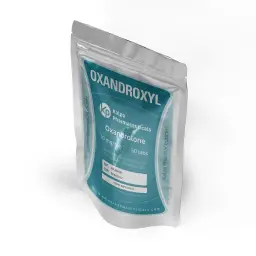
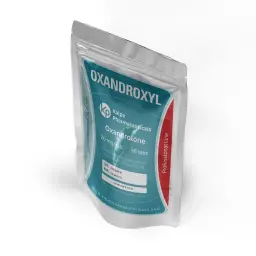
Oxanabol (Oxandrolone) by Alpha Pharma - Low-Androgenic Profile & Endocrine Overview
Oxanabol by Alpha Pharma contains oxandrolone, a synthetic anabolic compound originally developed for medical use. Oxandrolone is widely recognized for having a relatively low androgenic rating compared to many other oral anabolic steroids. From an endocrine perspective, this characteristic made it useful in specific clinical scenarios where anabolic support was required with reduced androgen-related complications.
Oxandrolone is a derivative of dihydrotestosterone (DHT). It has been structurally modified to enhance anabolic properties while reducing androgenic impact. In clinical medicine, it has been prescribed for conditions involving muscle-wasting, severe weight loss, burn recovery, and certain catabolic diseases. Its lower androgenic profile compared to many other agents contributed to its medical acceptance in carefully controlled therapeutic environments.
Important medical note: Oxandrolone is a prescription medication. Despite being considered milder than some other oral agents, it still carries risks including liver stress, lipid disruption, and suppression of natural testosterone production. Use requires medical supervision and laboratory monitoring.
What Does "Low-Androgenic" Mean?
Androgenic activity refers to effects related to male secondary sexual characteristics and androgen receptor stimulation. Compounds with higher androgenic ratings are more likely to cause side effects such as acne, hair loss in genetically predisposed individuals, and prostate-related concerns.
Oxandrolone's lower androgenic rating means it was historically associated with:
• Reduced risk of severe androgenic side effects compared to stronger agents
• Lower incidence of virilization in medically supervised female patients
• More controlled anabolic support in therapeutic contexts
However, "low androgenic" does not mean risk-free. Individual response varies, and androgen-related effects can still occur.
Endocrine System Impact
Oxandrolone interacts with the androgen receptor and influences protein synthesis and nitrogen retention. While it does not aromatize into estrogen, it still suppresses endogenous testosterone production through feedback mechanisms in the hypothalamic-pituitary-gonadal (HPG) axis.
Endocrine considerations include:
• Suppression of natural testosterone production
• Possible reduction in luteinizing hormone (LH) and follicle-stimulating hormone (FSH)
• Temporary hormonal imbalance following discontinuation
• Need for structured endocrine monitoring in medical contexts
Because oxandrolone does not convert to estrogen, it is not associated with direct estrogen-mediated side effects. However, lipid changes and cardiovascular markers may still be affected.
Liver & Lipid Considerations
Like other orally active anabolic steroids, oxandrolone is 17-alpha alkylated, meaning it survives first-pass metabolism in the liver. This property increases convenience for oral dosing but also introduces hepatotoxic potential.
Clinical monitoring typically includes:
• AST and ALT liver enzyme testing
• Lipid panel assessment (HDL/LDL levels)
• Blood pressure monitoring
• Complete blood count evaluation
Although oxandrolone is often described as less hepatotoxic than compounds like
Oxymetholone, liver strain is still possible and should never be ignored.
Mechanism of Action Overview
Oxandrolone promotes protein synthesis within skeletal muscle and supports nitrogen retention. In catabolic medical conditions, this helped preserve lean body mass. It does not aromatize into estrogen, which differentiates it from compounds like
Methandrostenolone that may convert to estrogenic metabolites.
Its endocrine behavior is therefore characterized by:
• Anabolic receptor activation
• Minimal direct estrogen conversion
• Suppression of natural hormone production
• Potential lipid profile disruption
Understanding these mechanisms is essential for informed decision-making and risk awareness.
Comparison Table